ALLadmin

About A Lotta Love Admin

This author has not yet filled in any details.
So far A Lotta Love Admin has created 11 blog entries.
  • Safe study space in shelters with practical homework area ideas for kids

Safe Study Space in Shelters: Homework Area Ideas for Kids

This article explains how study spaces in shelters support children’s focus, dignity, and school continuity. It recommends predictable, low-noise locations away from TVs and traffic, with child-sized furniture, calm lighting, labeled supplies, and clear routines. It covers age- and setting-specific layouts, budget-friendly improvements, sensory needs, and storage, plus when a small update requires a broader redesign.

By |2026-10-16T14:11:28+00:00October 16, 2026|Supportive Environment Design|Comments Off on Safe Study Space in Shelters: Homework Area Ideas for Kids
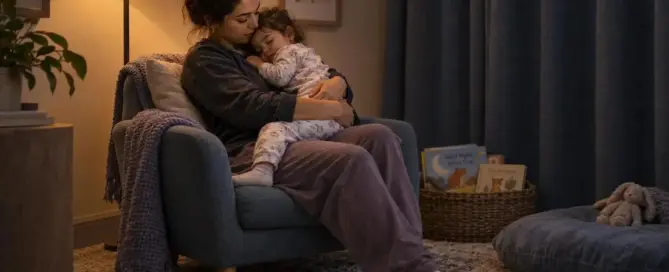
  • 8 decompression room ideas for calming, healing shelter spaces

8 Decompression Room Ideas for Shelters That Heal

The article explains how shelters can create effective decompression rooms that provide genuine privacy, safety, sensory regulation, and resident choice—not merely attractive décor. It presents eight models, including quiet refuges, sensory rooms, children’s calm-down spaces, nurseries, meditation rooms, and compact calming nooks. It also discusses evidence of improved safety and hope after trauma-informed redesigns, common mistakes, and how to match solutions to residents, space, budget, and building-wide noise issues.

By |2026-10-12T14:12:10+00:00October 12, 2026|Supportive Environment Design|Comments Off on 8 Decompression Room Ideas for Shelters That Heal
  • Welcoming trauma-informed shelter room supported by an adopt a room program

Adopt-a-Room Program Ideas for Trauma-Informed Shelters

The article explains how to build an adopt-a-room program that improves shelter residents’ rest, privacy, dignity, and daily functioning—not just room appearance. It recommends trauma-informed design, clear room standards, durable and practical wishlists, realistic budgets for maintenance and resets, and defined donor and volunteer boundaries. It also outlines sponsorship models, donor engagement strategies, operational safeguards, impact measures, and common mistakes to avoid.

By |2026-10-09T14:13:23+00:00October 9, 2026|Community Engagement Strategies|Comments Off on Adopt-a-Room Program Ideas for Trauma-Informed Shelters
  • Trauma-informed resource room setup for a safe, welcoming shelter

Trauma-Informed Resource Room Setup for Shelters

This article explains how to create trauma-informed resource rooms in shelters and crisis centers for job searches, benefits, legal paperwork, telehealth, and other urgent tasks. It emphasizes clear zones, screen privacy, reduced noise and glare, accessible wayfinding, organized supplies, family-friendly features, and durable furnishings. It also recommends resident input, phased testing, maintenance, and low-cost improvements such as repositioning desks and moving printers.

By |2026-10-07T14:12:32+00:00October 7, 2026|Shelter Resource Management|Comments Off on Trauma-Informed Resource Room Setup for Shelters
  • Volunteers organizing clothing and product donations for nonprofits in a bright warehouse

Product Donations for Nonprofits: Healing Shelter Makeovers

The article offers a trauma-informed guide to product donations for shelters and nonprofits. It emphasizes assessing each room’s needs before requesting items, prioritizing safety, privacy, comfort, durability, and cleanability over quantity. It covers donation strategies, sourcing partners, choosing goods versus cash or gift cards, evaluating and curating items, managing logistics, and measuring resident and staff outcomes.

By |2026-10-05T14:12:23+00:00October 5, 2026|Shelter Resource Management|Comments Off on Product Donations for Nonprofits: Healing Shelter Makeovers
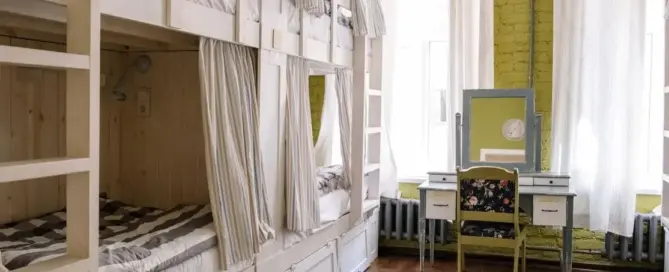
  • Best furniture for shelter rooms, including clean bunk beds in a cozy dorm

Best Furniture for Shelter Rooms: 8 Safe, Durable Picks

This article reviews eight shelter furniture options, from shelter-specific systems like Norix and NapBox to cots, accessible beds, waterproof mattresses, folding beds, and IKEA bunks. It compares durability, cleanability, privacy, accessibility, comfort, portability, and cost. The central argument is that furniture should support safety, dignity, storage, and trauma-informed living—not just maximize bed count. It also offers room-specific guidance and warns against buying solely on price.

By |2026-10-02T14:14:27+00:00October 2, 2026|Supportive Environment Design|Comments Off on Best Furniture for Shelter Rooms: 8 Safe, Durable Picks
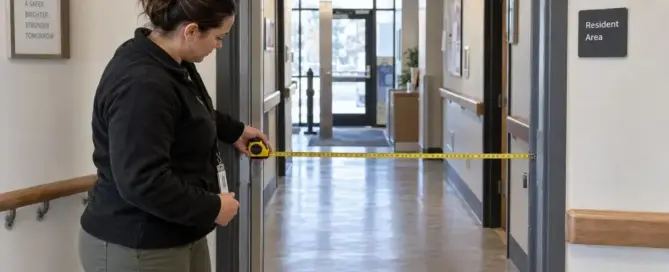
  • Facility walk through checklist for shelter redesign

11 Facility Walk-Through Checklist for Shelter Redesign

This article presents a trauma-informed facility walk-through checklist for shelters serving women, children, and families. It covers structural safety, accessibility, sleeping spaces, air and water quality, sanitation, temperature, lighting, dining, fire egress, and resident storage, emphasizing privacy, dignity, and emotional regulation. It also explains how to conduct audits with diverse stakeholders, document findings, and prioritize urgent safety repairs before high-impact design improvements.

By |2026-09-30T14:12:09+00:00September 30, 2026|Shelter Resource Management|Comments Off on 11 Facility Walk-Through Checklist for Shelter Redesign
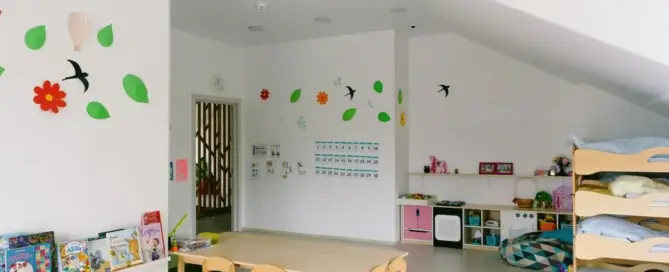
  • Bright child friendly shelter spaces with wooden bunk beds and playful classroom decor

Creating Child-Friendly Shelter Spaces in Family Shelters

The article explains how child-friendly shelter design can reduce stress and support safety, dignity, regulation, and family routines. It emphasizes trauma-informed features such as calm lighting, reduced noise, clear sight lines, privacy, flexible furniture, age-appropriate play zones, and outdoor access. It also offers practical improvement priorities for limited budgets and guidance on measuring whether redesigns improve children’s and caregivers’ experiences.

By |2026-09-29T00:47:46+00:00September 28, 2026|Trauma-Informed Design Principles|Comments Off on Creating Child-Friendly Shelter Spaces in Family Shelters
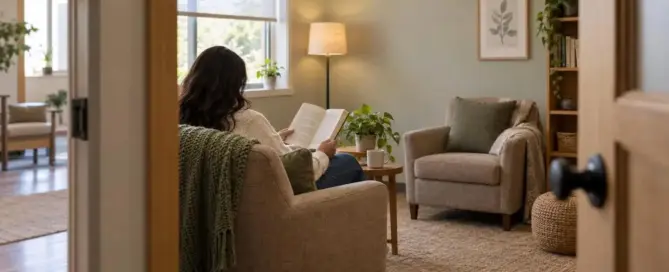
  • Cozy, welcoming lounge showcasing domestic violence shelter common room ideas

14 Domestic Violence Shelter Common Room Ideas

The article presents trauma-informed domestic violence shelter common room ideas that prioritize choice, privacy, safety, accessibility, and emotional regulation. It recommends spaces such as quiet and sensory rooms, alcoves, therapy and gathering rooms, children’s areas, libraries, cultural rooms, green spaces, and flexible lounges. It also emphasizes sight lines, decluttering, art, accessible kitchens, resident input, and prioritizing improvements based on the building’s biggest sources of friction.

By |2026-09-29T00:47:43+00:00September 25, 2026|Trauma-Informed Design Principles|Comments Off on 14 Domestic Violence Shelter Common Room Ideas
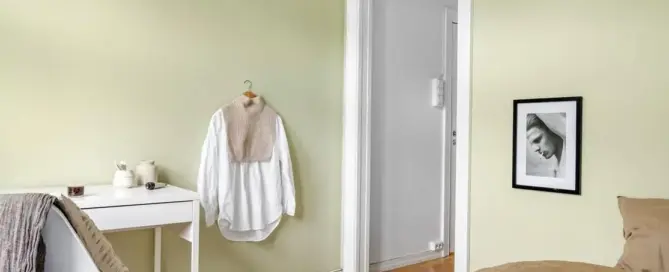
  • Soft green trauma informed paint colors in a minimalist bedroom with cozy bedding and modern decor

Trauma-Informed Paint Colors for Shelter Spaces

The article explains how trauma-informed paint colors can make shelters feel safer, calmer, and more dignified. It recommends warm neutrals, muted nature-inspired tones, low contrast, and room-specific palettes instead of stark white or highly saturated colors. It also emphasizes testing colors under real lighting, involving staff and residents, and coordinating paint with privacy, sound, layout, and other design elements.

By |2026-09-29T00:47:40+00:00September 23, 2026|Trauma-Informed Design Principles|Comments Off on Trauma-Informed Paint Colors for Shelter Spaces
Go to Top