Community Engagement Strategies

  • Why volunteers matter in nonprofits, especially community shelters

Why Volunteers Matter in Shelter Nonprofits More Than Ever

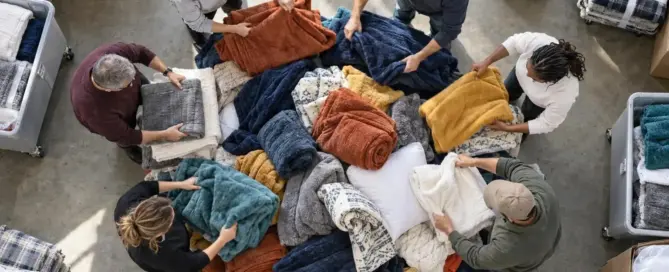
The article explains how volunteers help shelters and crisis centers expand capacity, maintain daily operations, and create more welcoming, dignified environments. It highlights roles including meal service, childcare, laundry, donation sorting, guest support, and trauma-informed room improvements. Volunteers complement—not replace—professional staff and are most effective when roles, training, boundaries, screening, and supervision are clearly defined. Strategic programs benefit residents, staff, and the wider community.

By |2026-11-20T15:13:26+00:00November 20, 2026|Community Engagement Strategies|Comments Off on Why Volunteers Matter in Shelter Nonprofits More Than Ever
  • 12 skilled volunteer opportunities for shelter nonprofits

12 Skilled Volunteer Opportunities for Shelter Nonprofits

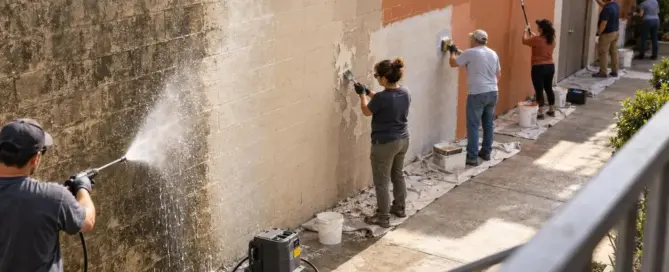
The article outlines skilled volunteer opportunities for shelters, distinguishing professional, trained support from general volunteering. It covers resident-facing roles such as hairstyling, fitness, legal aid, and computer training, plus operational, fundraising, communications, technology, maintenance, and painting work. Its central argument is that effective volunteering requires clear scope, staff ownership, appropriate credentials, privacy protections, and trauma-informed attention to resident dignity and shelter spaces.

By |2026-11-18T15:13:04+00:00November 18, 2026|Community Engagement Strategies|Comments Off on 12 Skilled Volunteer Opportunities for Shelter Nonprofits
  • 8 team building volunteer ideas for community shelter projects

8 Team Building Volunteer Ideas for Shelter Projects

This article outlines eight shelter volunteer project ideas, including painting, cleaning, landscaping, furniture assembly, care-kit drives, repairs, storage builds, and room refreshes. It emphasizes consulting shelter staff first and choosing projects that improve daily operations rather than prioritize photos. The guidance also covers team size, budgets, skills, logistics, sustainability, resident privacy, and trauma-informed design.

By |2026-11-16T15:12:25+00:00November 16, 2026|Community Engagement Strategies|Comments Off on 8 Team Building Volunteer Ideas for Shelter Projects
  • Volunteers improving a shelter through hands-on volunteer opportunities

9 Hands-On Volunteer Opportunities for Shelter Makeovers

This article outlines hands-on volunteer roles in shelter makeovers, including painting, driving, furniture pickup and moving, installation, assembly, murals, outdoor seating, and basic construction. It explains how each role supports room and facility improvements while requiring different skills and planning. The central argument is that clearly defined, trauma-informed volunteer work should reduce staff burden, protect residents’ privacy and dignity, and prioritize practical needs over spectacle.

By |2026-11-13T15:13:05+00:00November 13, 2026|Community Engagement Strategies|Comments Off on 9 Hands-On Volunteer Opportunities for Shelter Makeovers
  • Successful nonprofit partnerships for shelter makeovers

How Nonprofit Partnerships for Shelter Makeovers Succeed

Successful shelter makeover partnerships go beyond donated paint or one-day volunteer events: they align shelters, residents, designers, funders, trades, and volunteers around safety, dignity, healing, and daily function. The article emphasizes resident and staff input, trauma-informed design, durable materials, clear decision-making, realistic scope, and structured funding. It also explains common failures, recommends measuring lived outcomes, and outlines practical steps for launching sustainable room or facility improvements.

By |2026-11-09T15:11:36+00:00November 9, 2026|Community Engagement Strategies|Comments Off on How Nonprofit Partnerships for Shelter Makeovers Succeed
  • Welcoming trauma-informed shelter room supported by an adopt a room program

Adopt-a-Room Program Ideas for Trauma-Informed Shelters

The article explains how to build an adopt-a-room program that improves shelter residents’ rest, privacy, dignity, and daily functioning—not just room appearance. It recommends trauma-informed design, clear room standards, durable and practical wishlists, realistic budgets for maintenance and resets, and defined donor and volunteer boundaries. It also outlines sponsorship models, donor engagement strategies, operational safeguards, impact measures, and common mistakes to avoid.

By |2026-10-09T14:13:23+00:00October 9, 2026|Community Engagement Strategies|Comments Off on Adopt-a-Room Program Ideas for Trauma-Informed Shelters
Go to Top