Why volunteers matter in nonprofits becomes painfully clear when a shelter is short on hands at dinner, during intake, or when a child needs attention while a parent meets with staff. You’re not filling time slots. You’re protecting the rhythm that helps people breathe.
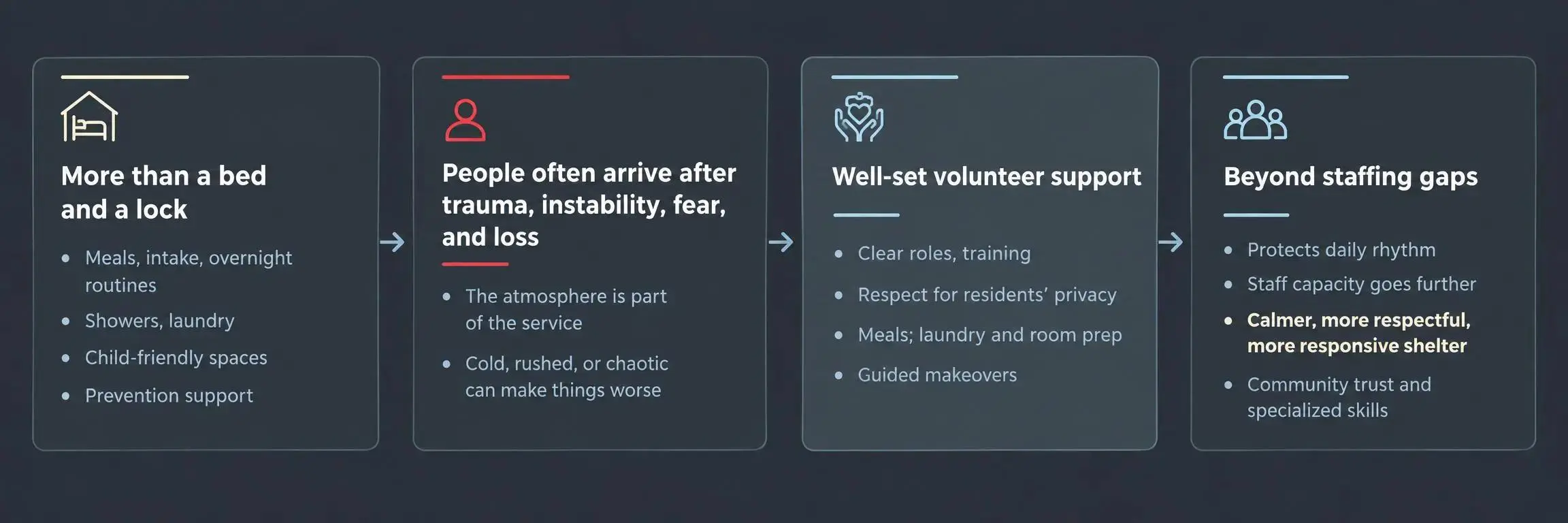
For shelters and crisis centers, the right volunteer support makes rooms feel cared for and staff capacity go further (down to the last clean blanket). What matters is clear roles, training, and work that respects residents’ privacy.
Here’s where to look first:
- Meal service that feels welcoming, not rushed
- Laundry, supply sorting, and room-prep work that keeps daily operations steady
- Guided makeover help that turns bare spaces into calmer places
Make the help count.
Why This Question Matters More for Shelters Right Now
Shelter leaders are being asked to do far more than offer a bed and a lock on the door. You’re expected to create a place that is safe, orderly, responsive, and humane, often for people arriving on one of the worst days of their lives.
In practice, that means meals, intake, overnight routines, showers, laundry, child-friendly spaces, prevention support, and some kind of emotional steadiness in the middle of chaos. That’s a lot to hold.
The scale alone should reset how we think about volunteer support. One family shelter system served 410 families and 1,461 individuals in a year. In that same group, 43% of heads of household were living with a disability, and 94% of guests identified as Black, Indigenous, or People of Color. Those numbers matter because they point to complexity, not volume alone.
Residents don’t walk in as blank slates. They often arrive after trauma, instability, fear, and loss. Some are exhausted. Some are hyperaware of every sound in the hallway. Some are trying to keep children calm while managing their own panic. A shelter that feels cold, rushed, or chaotic can make all of that worse.
That’s where the question of why volunteers matter in nonprofits gets very concrete in shelter work.
In shelters, the work is urgent. The atmosphere is part of the service.
Volunteers are not extra hands around the edges. When the program is set up well, they are part of what helps a shelter feel calmer, more respectful, and more responsive than the circumstances would suggest.
Why Volunteers Matter in Nonprofits Beyond Filling Staffing Gaps
A lot of people still talk about volunteers like they’re a budget workaround. We don’t think that’s a useful way to look at it, and honestly, it can create bad systems.
Nonprofit volunteer value is bigger than unpaid labor. Volunteers expand capacity, yes, but they also deepen community trust, bring specialized skills, and help mission critical work happen consistently. Those are different things.
Here’s the real power of volunteers for nonprofits:
- They increase what your team can get done without lowering the quality bar.
- They bring community ownership into the work instead of keeping the mission locked inside staff walls.
- They often become long-term advocates, donors, referral sources, and connectors.
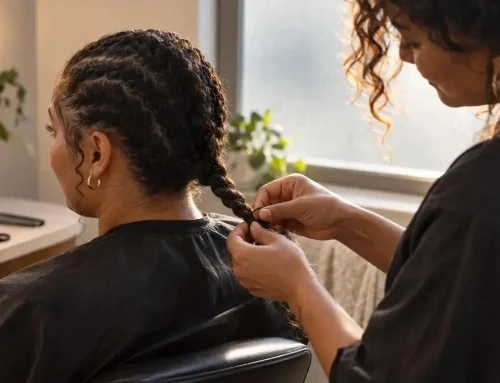
- They can offer skills your payroll may never cover, from coding instruction to haircutting to graphic design.
We’ve seen this play out in all kinds of ways. One shelter invites volunteers to start coding classes. Another brings in therapy dog visits. Others rely on volunteers for fitness instruction, art classes, event planning, outreach support, and donor-facing community work. None of that is “extra” if it improves resident experience or keeps the organization moving.
There’s also a practical layer leaders shouldn’t ignore. Logged volunteer hours help organizations show community impact and strengthen grant applications. That matters, especially when you’re trying to prove traction with limited staff and stretched budgets.
The difference is whether volunteer use is transactional or strategic.
Transactional looks like this: “We need bodies Saturday. Anyone available?”
Strategic looks more like this:
Build volunteer roles intentionally
- Role
Define the role.
- Mission link
Tie it to a mission outcome.
- Training
Train people well.
- Retention
Keep them involved long enough to matter.
That second model takes more thought up front. It also works.
The Operating-Cost Context for Volunteer Capacity
Volunteer support is not a substitute for funding the work. A 2025 Maine State Housing Authority study analyzed budgets from 27 shelters operated by 17 organizations and found an average annual operating cost of $34,714.09 per bed—just over $95 per bed-night.
That is a useful reality check for anyone treating volunteers as a free replacement for a shelter budget. The figure covers an entire shelter operation, not the value created by a volunteer shift, and it does not show that volunteers cause costs to fall. It does show the scale of the paid infrastructure that has to exist around every meal, overnight routine, laundry load, intake process, and safe room.
The study also cautions that its figures should be read as conservative estimates: participating providers may be balancing budgets through deferred maintenance or less-than-optimal staffing. Volunteers can expand what that infrastructure can deliver, but they still need coordination, supplies, training, and professional oversight to do it well.
What Volunteers Actually Make Possible Inside Shelters
If you want to understand volunteer impact on nonprofits, don’t stay abstract. Look at the schedule board.
In real shelters, volunteers already handle a surprising amount of essential work. Not glamorous work. Real work.
They help with:
- meal prep and meal service for breakfast, lunch, and dinner
- front desk welcome roles, offering water, snacks, and direction
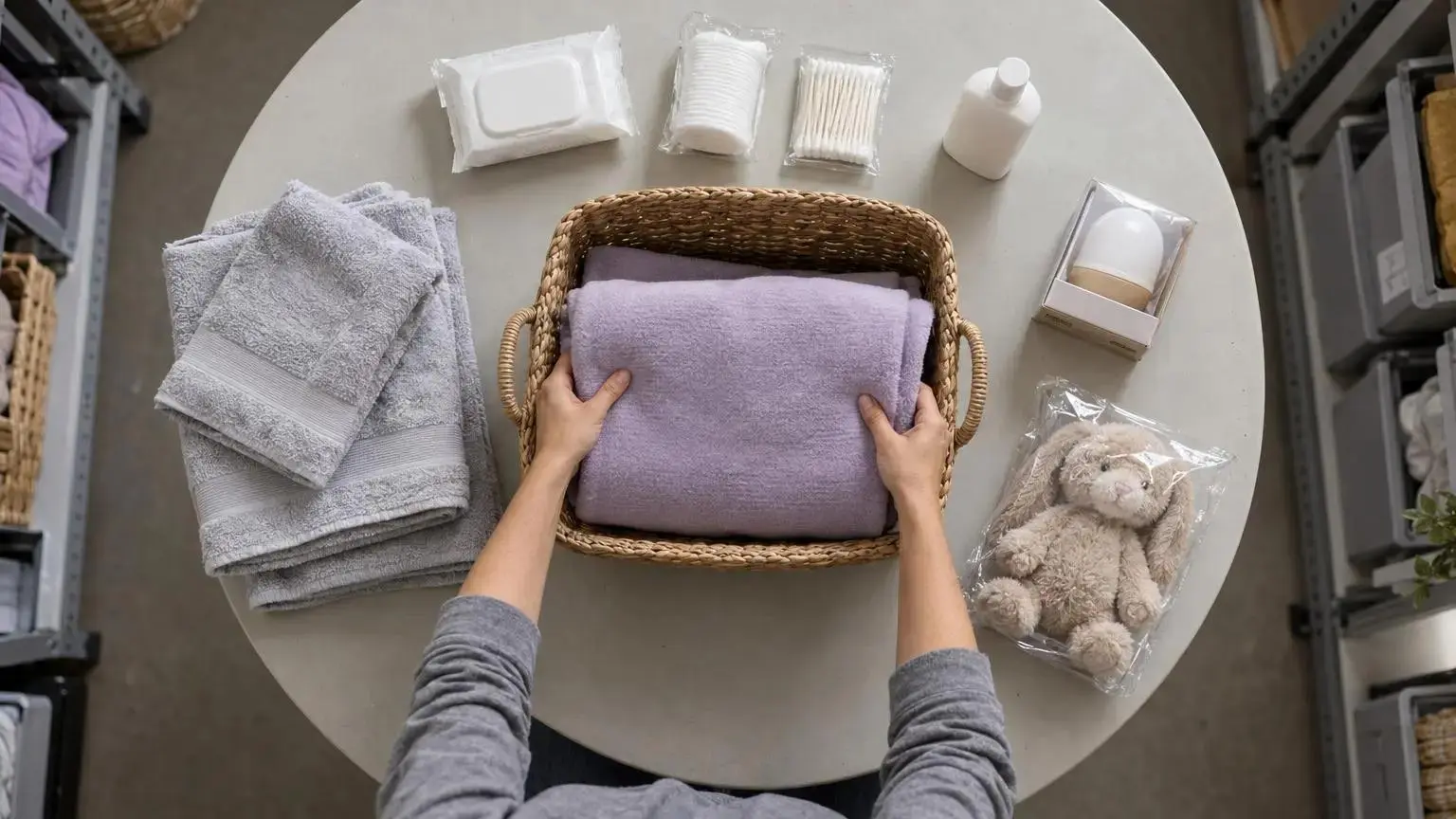
- clothing closet organization and donation intake
- shower cleanup, laundry help, and daily hygiene support
- overnight shifts that help maintain routine and safety
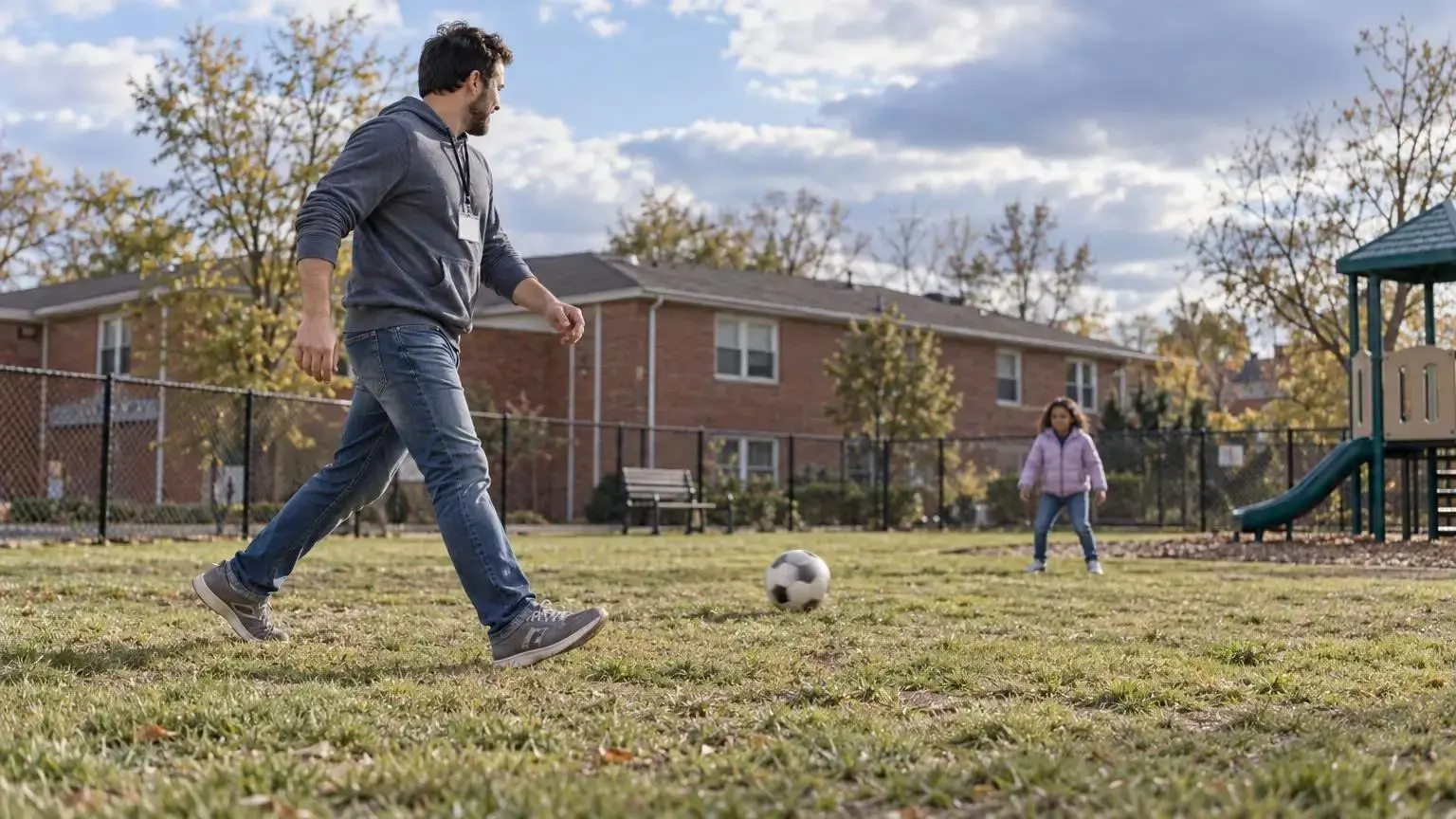
- childcare and after-school support while parents attend meetings or counseling
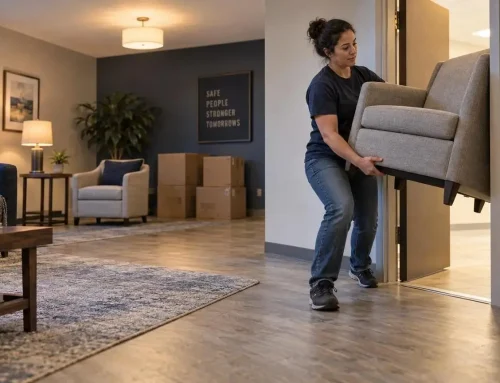
- cleaning, landscaping, room resets, and supply organization
- intake support and evening check-in assistance
- office tasks, event support, and donation sorting
One warming shelter needs 30 or more volunteers per night just to cover setup, hospitality, overnight hosting, breakfast, cleanup, breakdown, laundry, and donation intake. That’s not a side program. That’s operating capacity.
A seasonal faith-based shelter runs almost entirely on volunteers except for an overnight security role. One family shelter system reported 1,131 volunteers giving 9,841 hours in a year while helping serve 145,840 meals. You don’t get numbers like that from occasional goodwill. You get them from a system that depends on volunteer labor and presence to function well.
Some of the most useful roles are also the least visible. A volunteer who launders blankets, organizes pantry shelves, or helps reset a common room before evening has still improved the next resident interaction. Staff feel that immediately, even if nobody writes a thank-you note for it.
That’s one of the quieter benefits of volunteers for shelters. They support both the front stage and the back stage. Residents experience the result either way.
| Shelter example | Volunteer-covered work | Capacity signal |
|---|---|---|
| The Warming Shelter ILM | Setup, hospitality, overnight hosting, breakfast, cleanup, breakdown, laundry, and donation intake | Needs 30 or more volunteers per night to run smoothly |
| Brooklyn Heights Synagogue shelter | Home-cooked dinner delivery, dinner service, and overnight volunteering | Runs entirely on volunteers except for an overnight security guard |
| People Serving People | Meal service, pre-K classroom help, and after-school tutoring | 1131 volunteers gave 9841 hours while helping serve 145840 meals in a year |
| Christian Shelter in Salisbury | Kitchen help, dinner service, office assistance, childcare, laundry, and cleaning | Volunteers fill regular guest-facing and behind-the-scenes shifts |
| Community Supported Shelters | Clothing closet support, shower sanitizing, front office welcome, hut building, and weekly cleaning and landscaping | Organization says it could not provide its current high level of service without volunteers |
The Volunteer Impact Residents Feel Is Human, Not Just Logistical
Operations matter. But residents don’t experience a shelter as an org chart. They experience it through moments.
A warm greeting. A dinner served without impatience. A volunteer who explains where the bathroom is without making someone feel foolish. Those things lower stress fast.
Meal service is a good example. Food matters, obviously. But meal volunteers do more than hand over plates. They create rhythm. They make the evening feel more predictable. They can turn a room from tense to settled in twenty minutes if they know how to carry themselves.
And then there are the roles that look small from the outside but land hard emotionally. Activity volunteers who lead crafts, games, or holiday events for women and children aren’t just passing time. They’re giving structure and relief in a setting where families often have very little control over the day.
Guest support volunteers matter too, especially in the first night or two. That’s often when fear, confusion, and shame are highest. A person who can walk someone through the routine calmly is doing more than being nice. They’re helping with regulation.
People in crisis remember how they were treated just as much as what they were given.
That’s the line we keep coming back to.
Volunteer impact on nonprofits is strongest when volunteers understand that every interaction can either reduce shame or deepen it. Tone matters. Boundaries matter. Even eye contact matters. In shelter work, hospitality isn’t fluff. It’s part of care.
Why Volunteers Matter Even More in Trauma-Informed Shelter Work
This is where our view gets a little sharper. In shelters, environment is part of care. It is not decoration. It is not an afterthought for when the budget gets better.
Trauma-informed design means shaping light, sound, color, layout, privacy, comfort, and order so a space supports safety and dignity. For families, women, and children who may be hypervigilant, grieving, exhausted, or overwhelmed, surroundings can either calm the nervous system or keep it on edge.
We see this every day in our work. A room with harsh lighting, nowhere to put belongings, and no sense of privacy doesn’t just look unfinished. It tells the resident, quietly but clearly, that comfort is not for them.
That’s why we believe beauty and safety are not luxuries in crisis settings.
At A Lotta Love, we use trauma-informed design in our Room Makeovers and Full Shelter Renovations. Sometimes that means reworking a bedroom so it feels safer, softer, and more functional for a family in temporary housing. Sometimes it means improving common areas like intake rooms, dining spaces, playrooms, or lobbies so the whole building supports calmer interactions. On our own site, we’ve shared that this approach has been associated with a 63% increase in feelings of safety.
Volunteers can play a real role here, but only when the work is guided.
How volunteers support shelter makeovers often includes:
- preparing rooms before installation
- painting or setup when it’s appropriate and supervised
- organizing supplies and donated items
- helping place furniture and practical room elements
- handling the finishing details that make a space feel cared for
The caution matters. Not every willing volunteer should improvise in a trauma-sensitive setting. Good intentions can still create clutter, overstimulation, or choices residents didn’t ask for.
The goal is emotional repair through thoughtful surroundings. Not a makeover for its own sake.
Volunteers Do Not Replace Professionals, They Help Professional Care Work Better
Let’s deal with the obvious objection. Shelters need trained staff, case managers, clinicians, and people who can make hard calls under pressure. Absolutely. Volunteers are not a substitute for that.
They should not handle licensure-based work, crisis decisions, or complex case responsibility. That line needs to stay clear.
The strongest shelter models pair professional expertise with well-bounded volunteer support. When volunteers cover hospitality, setup, meal service, child engagement, donation processing, laundry, and environment upkeep, staff can stay focused on the work only they can do.
That division of labor is not glamorous, but it’s smart.
One family shelter model reported that 95% of families did not return to shelter within one year. That outcome didn’t happen because volunteers showed up alone. It came from a fuller system of support. But volunteers helped make that fuller system possible by giving the organization enough operating room to offer more than emergency lodging.
That’s the point.
This isn’t staff versus volunteers. It’s a service design question. If the program is clear and the boundaries are solid, volunteers extend the reach of professional care without diluting it.
What Strong Shelter Volunteer Programs Have in Common
Not every willing helper is the right fit for every shelter role. Experienced leaders know this, even if they don’t always say it out loud.
Strong programs are selective, structured, and plain about expectations. That protects residents and staff.
You’ll usually see a few common safeguards:
- age limits, or adult accompaniment for minors
- minimum shift lengths so the handoff burden doesn’t get ridiculous
- background checks and child maltreatment checks for child-facing roles
- screening for whether direct resident contact makes sense
- clear safety policies for overnight roles and building access
Some shelters also use volunteer platforms so people can sign up, track hours, and help staff manage who is in the building. That may sound administrative, but it’s actually an operations tool. If your team doesn’t know who’s coming, when, and for what role, volunteer support starts creating work instead of reducing it.
Training matters just as much. In trauma-heavy environments, volunteers need to understand privacy, choice, boundaries, and how easy it is to trigger shame without meaning to. A volunteer can be warm and still overstep. We’ve all seen that.
A strong program also matches roles to strengths. Hospitality people belong in welcome roles. Organized people are gold in donation rooms. Tradespeople, designers, and maintenance volunteers can help with physical space improvements. Not everyone needs to be resident-facing.
One-time volunteers matter. So do recurring volunteers. They serve different purposes. A work party can refresh a common area in a day. A weekly meal team creates rhythm. A monthly outreach group may bring in donors, employers, and community partners over time.
Good programs know the difference and plan for both.
How Leaders Can Increase Volunteer Value Without Creating More Work for Staff
If you’re leading a shelter, start with a simple audit. Where would volunteer help actually improve resident experience or reduce staff burden? Not theoretically. By next month.
Then break opportunities into clear buckets:
- direct hospitality and guest support
- behind-the-scenes operations
- facilities and environment care
- professional skills
- fundraising and community connection
From there, build roles around real needs, not vague offers to “help however needed.” That’s where programs get mushy and staff get frustrated.
It helps to define success in plain terms. Meals served on time. Five family rooms prepared. Donation shelves sorted and labeled. Children engaged during evening programming. Intake area reset before the next wave of arrivals.
For environment work, keep the scope resident-centered. Volunteers should improve safety and dignity, not impose personal taste. That’s especially true when rooms or common areas are being refreshed. If the goal is healing, not just appearance, bringing in trauma-informed design guidance matters. This is where our Trauma-Informed Design approach can be useful for shelters that want structured room-level or facility-wide improvements, rather than another well-meant decorating day that misses the point.
A few operating habits go a long way:
- Track hours.
- Track simple outcomes.
- Communicate clearly before each shift.
- Thank people specifically.
- Show them what changed because they showed up.
Retention usually comes down to clarity and meaning. People stay when the role is real, the ask is concrete, and the mission fit is obvious.
The best volunteer systems create less chaos, not more.
Best Ways Volunteers, Donors, and Partners Can Help Right Now
Different people should enter this work in different ways. That’s healthy. Not everyone needs to do direct service.
If you’re a prospective volunteer, choose based on temperament, availability, and comfort level. You may be a better fit for meals, overnight support, donation sorting, child-friendly activities, maintenance, or skill-based help. Consistency matters more than enthusiasm that burns out after two shifts.
If you’re leading a shelter, pick one or two high-value roles first. Pilot them. Train for them. Get feedback. Expanding too fast usually creates confusion for staff and a shaky experience for residents.
If you’re a donor or nonprofit partner, fund the things that make volunteer effort actually work:
- meals and pantry support
- furnishings and room essentials
- tools, storage, and supplies
- volunteer training
- space improvements that help shelters feel calmer and more functional
If you’re a business, faith group, or community team, think in terms of organized effort. Work parties, supply drives, event committee support, landscaping, common area refreshes, and well-run donation campaigns can be extremely useful when coordinated with staff needs.
And if you’re a designer, tradesperson, or organizer, there’s real room to help with shelter makeovers, room setup, storage solutions, and shared spaces that feel calmer and more usable, under the right guidance.
The most useful help is rarely the help that sounds best in a meeting. It’s the help that fits what residents and staff actually need.
Conclusion
Why volunteers matter in nonprofits becomes especially clear in shelters because care is delivered through daily tasks, human presence, and the feel of the environment itself. Funding matters. Professional care matters. But the people who welcome, prepare, serve, sort, clean, reset, listen, and show up again next week matter too.
They expand capacity. They protect dignity. They build trust between the shelter and the community around it. In the best cases, they help turn a shelter from a basic service site into a place where healing can begin.
If you’re deciding what to do next, don’t start with a giant strategy deck. Start smaller.
Identify one role, one program gap, or one environment improvement where volunteer support could make a measurable difference for families, women, or children in crisis. Then build from there, on purpose.