Transparent Hearts
Transparent hearts
transparent hearts
White heart

Trauma-Informed Design

Trauma-informed design supports healing for people facing instability and loss.

Widely used in hospitals, nursing homes, and childcare facilities, it also has a significant impact when applied to homeless shelters, crisis centers, and children’s homes. Residents in these environments often arrive after experiencing instability, illness, or violence, compounded by the trauma of losing their homes.
Trauma Informed Design
Heart
Tan hearts repeating

By incorporating trauma-informed design into all our room makeovers and facility renovations, we aim to:

Reduce stress
and anxiety

Restore
dignity

Encourage
Connections

Support
healing

Boost
staff morale

Our process is simple and effective:
1

Understand the needs of residents and staff

  • Shelter staff and resident input and requests
  • Emotional, safety, and functional needs
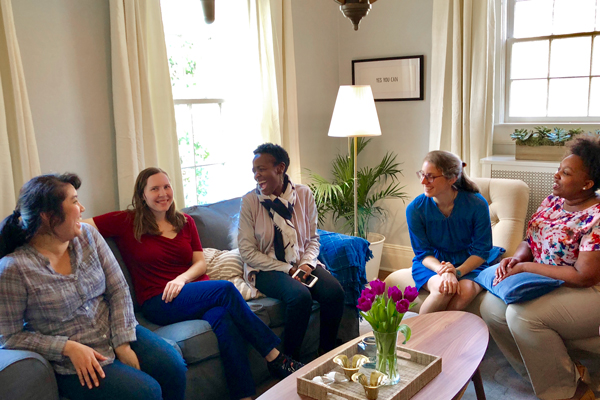
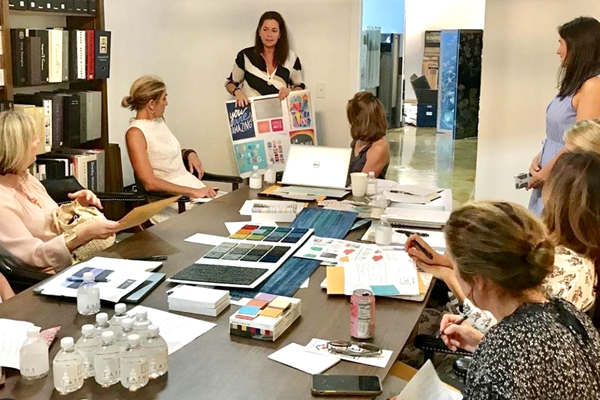
A group of women sitting around a table on couches smiling

2

Assess existing environment

  • Light, sound, color, layout, privacy, etc.
  • Stress triggers or barriers to comfort and safety
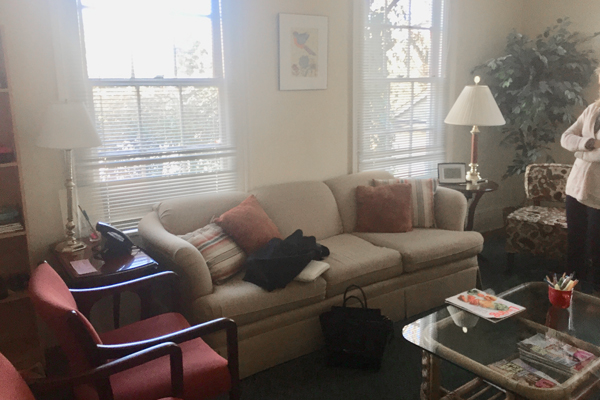
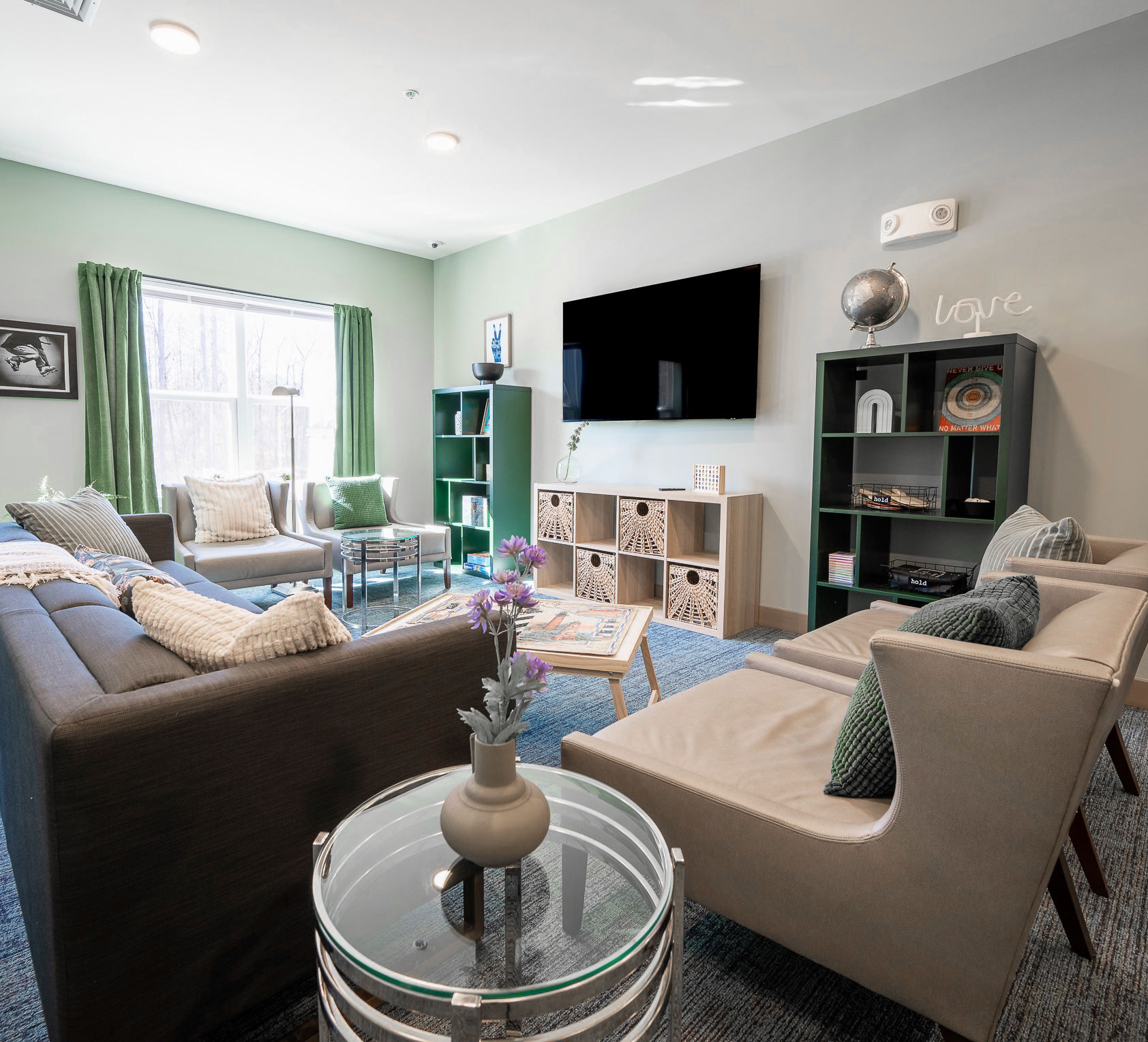
A light colored couch with two bright windows behind it

3

Develop a trauma-informed design plan

  • Calming, natural colors and textures
  • Zones for privacy, social connection, and quiet reflection
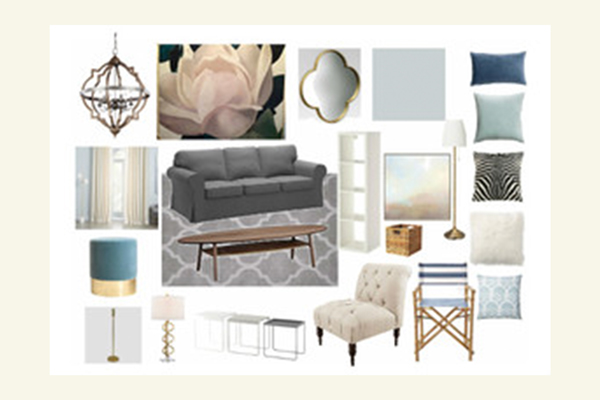
Room renovation moodboard

4

Select furniture and finishes with care

  • Durable yet comfortable furnishings
  • Soft lighting, sound-dampening elements, and nature-inspired features
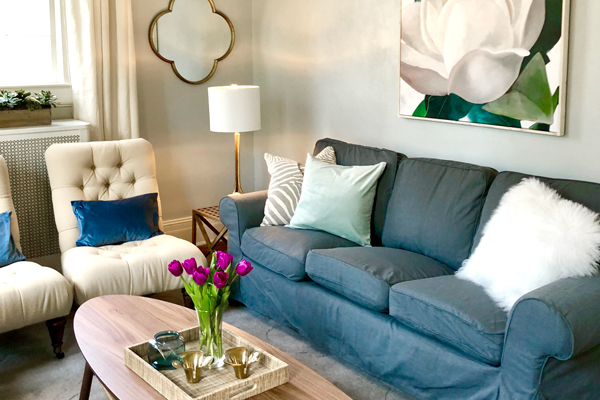
A nicely renovated room with a blue couch and two lighter colored sitting chairs

5

Personalize the space where possible

  • Artwork, décor, and personal touches that reflect residents’ interests and personalities
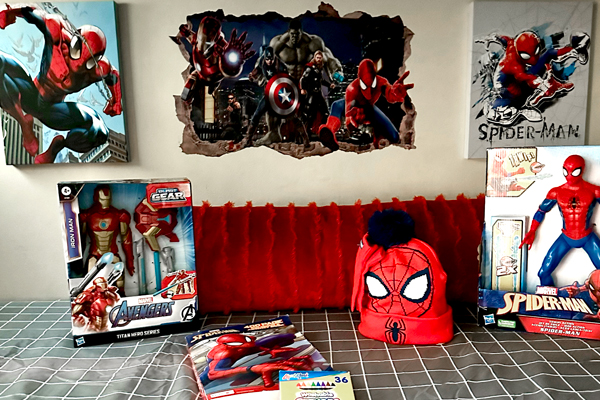
Spiderman hat, toys, and canvases

6

Evaluate and Adjust

  • Feedback and refinement as needed
A Lotta Love team preparing for a new makeover

We know this approach is effective.

Our research study, published in the APA Psychological Services Journal, shows our shelter clients regularly demonstrate a significant increase in hopefulness and preparedness, with an impressive 63% increase in feelings of safety. 96% reported feeling more respected and dignified. These positive changes play a crucial role in successful outcomes for individuals transitioning into permanent housing, securing employment, or returning to education.

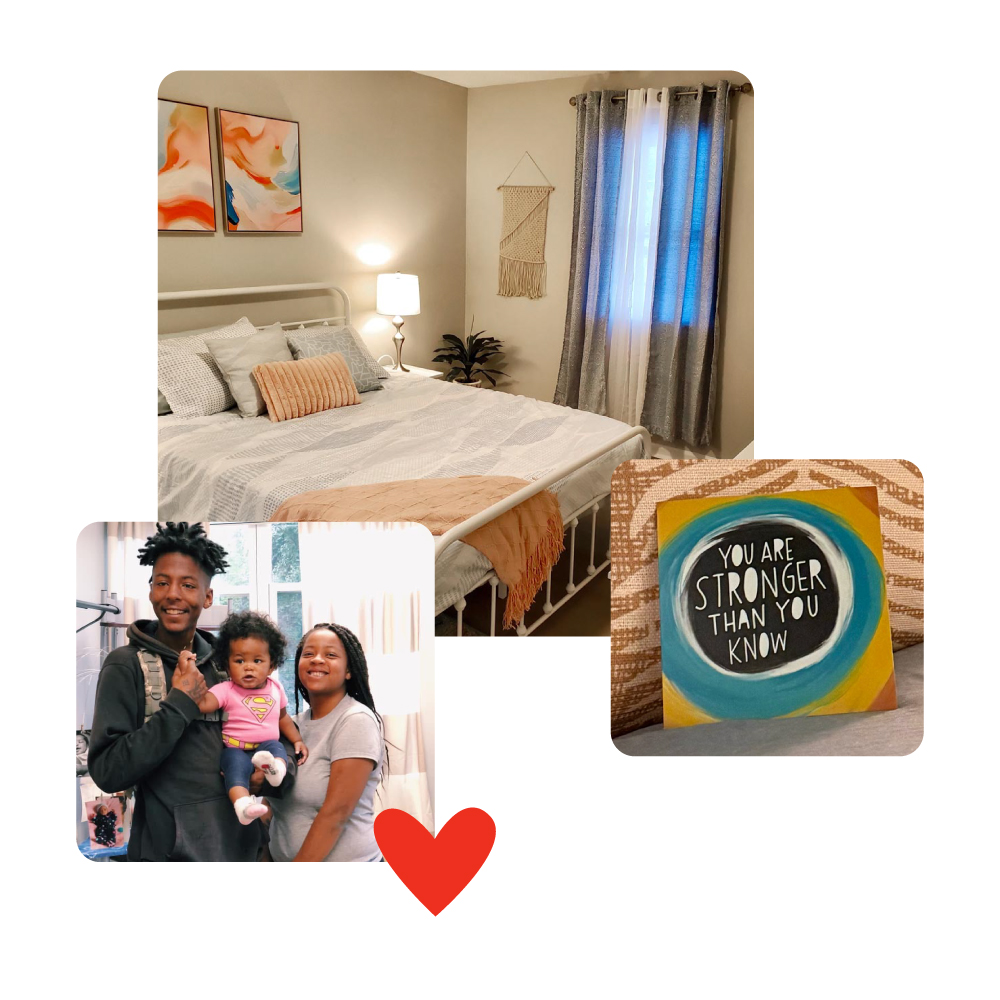
Trauma-Informed Design Moodboard with a redesigned room, a family smiling, and a close up of "You are stronger than you know" canvas.
Tan hearts repeating