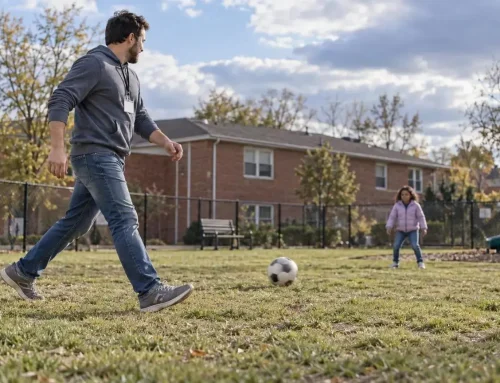
Skilled volunteer opportunities can go sideways when a shelter gets an impressive offer but no clear fit for the work, the space, or the people living there. Good intentions matter. Clear scope matters more.
If you lead a shelter, fund a program, or want to volunteer your professional skills, start with the actual need: privacy, schedules, staff capacity, and resident dignity. A one-day painting crew needs a plan too (especially near bedrooms).
The right help makes the space feel cared for.
What Skilled Volunteer Opportunities Mean in a Shelter Setting
Skilled volunteer opportunities are roles that depend on actual training, technical ability, licensure, or lived professional practice. They are different from showing up to sort donations for two hours or help at a holiday event. Both matter, but they are not the same thing.
In shelters, that difference gets sharper. Privacy matters. Timing matters. A badly scoped volunteer role can create more staff work than relief. We’ve seen that firsthand in environment projects. Good intentions are common. Useful help is more specific.
Here’s the practical split:
- General volunteering usually means extra hands for setup, cleaning, meals, donation intake, or event support.
- Skills based volunteering for nonprofits means a person brings a real discipline into the work, such as legal help, design, training, repairs, technology, fundraising, or licensed services.
- Professional volunteers for nonprofits often need clearer boundaries, better coordination, and a named staff owner.
The shelter world needs all of it. Some roles are resident-facing and relational. Others sit behind the scenes but still keep the place running. In the research behind this list, the need types span direct support, operations, facilities, communications, fundraising, and tech.
That range matters.
A shelter does not need the most impressive volunteer. It needs the right one, with the right scope, at the right moment, and enough staff oversight to make the work usable.
| Bucket | Example skilled roles | What to clarify first |
|---|---|---|
| Resident-facing services | Hairstyling; fitness instruction; pro bono legal services; computer training; specialty programming | Privacy, appointments, credentials, confidentiality, participant readiness, supervision, and staff support |
| Operations and fundraising | Budgeting and financial literacy support; organizing fundraisers | Whether the volunteer is advising or leading, who approves donor asks and messaging, and who handles follow-through |
| Facilities and environment | Handyman support; painting shelter bedrooms | Task list, access, supplies, ventilation, drying time, and resident privacy and scheduling |
| Technology or communications | Graphic design; public relations with local media; product and technology support | Brand guardrails, one feedback point, approval flow, clear role scoping, and a staff counterpart with decision authority |
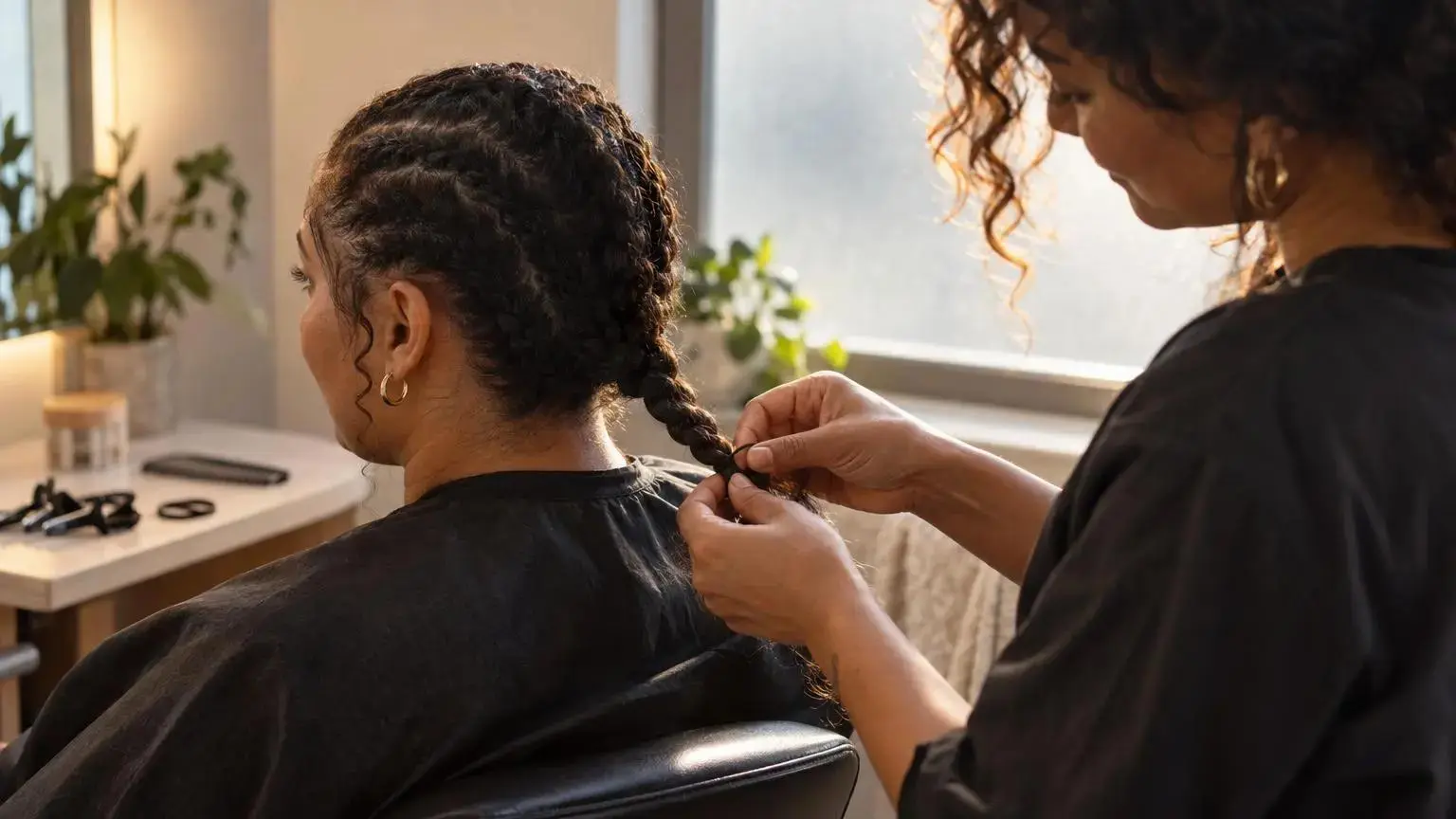
1. Hairstyling Services at Peace at Home Family Shelter
This is a good example because it reminds people that skilled volunteer opportunities are not limited to office work. Personal care can be skilled service too, and in a shelter setting, it can be deeply practical.
Peace at Home Family Shelter lists hairstyling among its needed professional services. That makes this a direct-service role, not a back-office assignment.
For the right volunteer, the value is pretty clear:
- It fits licensed stylists or cosmetology professionals.
- It works best when appointments are scheduled, not improvised.
- It asks for comfort with privacy, boundaries, and a setting that may feel very different from a salon.
Hairstyling is personal in a way some volunteer leaders underestimate. It involves touch, identity, and trust. A resident may want the service badly and still feel uneasy about the interaction. That doesn’t make the role a bad fit. It just means the shelter has to handle it carefully.
Compared with operational volunteer work, this is less flexible. You can’t just “plug in” a stylist without thinking through space, timing, sanitation, and how residents sign up. Still, when a shelter identifies it as an ongoing need, that tells you something important. Some professional volunteer support is not glamorous. It’s recurring, practical, and tied to dignity in everyday life.
2. Fitness Instruction Volunteer Opportunity at Peace at Home Family Shelter
Fitness is another role people don’t always expect to find on a shelter volunteer list. They should. Programming matters, and some shelters want it from people who actually know how to lead it.
Peace at Home Family Shelter lists fitness among its needed professional services. That places it squarely in the resident-facing category of nonprofit volunteer expertise.
This role fits instructors who can adapt, not just perform. A shelter is not a studio. The room may be small. The group may shift. Energy can change fast. Some days the best session is simple stretching in a multipurpose room with kids coming in and out. That still counts.
A few realities to sort out early:
- Is the session one-on-one or group-based?
- Is there enough space to move safely?
- Who decides participant readiness and supervision?
- Can the instructor adjust for different ages, mobility, and comfort levels?
Compared with hairstyling, fitness usually needs more planning around format and timing. It can also raise more questions about accessibility and trauma sensitivity. An instructor who can read a room matters more than an instructor with the fanciest certification.
That’s the broader point here. Skilled volunteering in shelters is often less about showing expertise and more about using it with restraint.
3. Pro Bono Legal Services — Peace at Home Family Shelter
This is one of the clearest examples of formal pro bono volunteer support in a shelter context. It is also one of the easiest roles to mishandle if the scope is fuzzy.
Peace at Home Family Shelter lists law services among the professional expertise it needs. For attorneys and legal professionals, that creates a direct service path that is structured and serious.
Legal volunteering is different from the first two examples because it usually depends on:
- Credentials and licensing
- Defined practice boundaries
- Confidentiality and intake procedures
- Referral and follow-up processes
That is a lot for a shelter to hold if it is not prepared.
Unlike hairstyling or fitness, legal support is not easily interchangeable. You can’t solve a mismatch with enthusiasm. A volunteer attorney may be brilliant and still be the wrong fit if the shelter has no process for triage, records, or resident communication.
High-trust roles need high-trust systems.
That’s why this belongs high on any list of skilled volunteer opportunities. It shows the far end of the spectrum, where nonprofit volunteer expertise is tightly tied to ethics, coordination, and staff ownership.
4. Computer training volunteer opportunity at House of Peace Shelter
Computer training is easy to overlook because it sounds ordinary. In practice, it can be some of the most useful direct service a shelter offers.
House of Peace Shelter lists computer training as a volunteer opportunity. That puts digital skills right into the service mix, not off to the side.
This role works best for people who can teach patiently. Not people who know the most. People who can slow down.
Useful volunteers here tend to do a few things well:
- break tasks into small lessons
- avoid jargon
- repeat without sounding irritated
- work from the resident’s actual goals, such as email, job forms, resumes, or school portals
Compared with budgeting support, which we’ll get to next, computer training is more immediate and resident-facing. It’s often practical by the second session. You can see where someone gets stuck. Usually it’s not the software. It’s confidence.
That’s worth saying plainly. A lot of skilled volunteering is just everyday expertise delivered with patience and structure.
5. Budgeting 101 for Nonprofit Partners
Not every strong volunteer belongs near residents. Some of the best help happens in planning, finance, and internal operations.
Business Volunteers Unlimited seeks skills based volunteers with experience in finance, business, legal, marketing, and HR, including budgeting and financial literacy support. This is a useful model for readers who want to contribute professionally but are not the right fit for direct service.
Budgeting support strengthens capacity. It can help a nonprofit partner think through:
- basic budget literacy
- cash flow discipline
- program cost structure
- how to make cleaner internal decisions
That may sound less visible than resident services. It often matters just as much.
Compared with computer training, this is still instruction-based work, but the audience and outcome are different. Computer training helps individuals navigate digital tasks. Budgeting help strengthens the organization itself. When staff are stretched, better financial habits can prevent a dozen downstream problems that volunteers never see.
Shelter leaders know this already. The hard part is making room for it.
6. Fundraising Organization Volunteer Support at AWARE
Some skilled volunteer opportunities sit fully outside client contact and still affect nearly everything. Fundraising is one of them.
AWARE lists organizing fundraisers among its non-client-contact volunteer opportunities. That makes it a strong fit for professionals with event planning, sponsorship, donor engagement, campaign logistics, or community outreach experience.
This kind of support is not about “helping with an event.” It is often about carrying real ownership.
A shelter should decide upfront:
- Is the volunteer advising or leading?
- Is the fundraiser small and local, or more public-facing?
- Who approves messaging, donor asks, and event expenses?
- What is the timeline, and who handles follow-through after the event?
Compared with resident-facing roles, fundraising work creates value through coordination and revenue, not direct service delivery. But staff time is always the hidden cost. If the volunteer cannot run with a clear brief, the assignment turns into staff babysitting. That helps no one.
Good fundraising volunteers reduce friction. Great ones protect the shelter’s voice while getting real work done.
7. Digital Graphic Design Support for Online and Print Communications
This is one of the clearest examples of communication-focused skilled volunteering. Many shelters need it. Few have enough in-house capacity for it.
House of Peace Shelter lists digital graphic design support for online and print communications as an indirect volunteer service. For readers looking for design volunteers for shelters, this is a useful distinction: not all design work is interior or facilities-related.
A strong design volunteer can help translate the mission into materials people actually understand and respond to. That may include campaign graphics, flyers, event assets, simple reports, social media visuals, or donor-facing print pieces.
The tradeoff is familiar. Design can look fast from the outside and take a lot of revision inside.
Compared with public relations support, graphic design creates the assets. It gives shape to the message. If the shelter’s requests are vague, the process gets messy quickly. Shelter leaders should be ready with brand guardrails, priority uses, deadlines, and one point of feedback. Otherwise, everyone loses time.
8. Public relations with local media for a shelter nonprofit
Public relations support helps a shelter reach beyond its own channels. Sometimes that means event coverage. Sometimes it means partnership news. Sometimes it means careful storytelling without crossing privacy lines.
House of Peace Shelter lists public relations with local media as an indirect volunteer opportunity. That makes this a solid fit for communications professionals, former reporters, publicists, or experienced local storytellers.
This work is more relational than graphic design. It depends on judgment.
A volunteer in this role should know how to handle:
- message discipline
- local outreach timing
- privacy-sensitive language
- approval flow with shelter leadership
There’s a tension here that matters. Shelters often need visibility, but they cannot afford careless exposure. A volunteer who chases attention without understanding the environment can create real problems. The right person helps the shelter be seen without turning resident experience into content.
9. Handyman Support
Handyman support is practical, ongoing, and usually needed more than people admit. Shelters use their spaces hard. Things break.
House of Peace Shelter lists Handyman Support as an indirect volunteer opportunity tied to shelter maintenance. This is a strong fit for volunteers with repair, maintenance, or general building skills who can work from a specific task list.
This kind of pro bono volunteer support often involves:
- minor repairs
- fixture replacement
- basic patching or adjustments
- upkeep that staff notice every day but can’t always address immediately
Compared with painting, handyman work is broader and less event-like. It may also be less visible, which is exactly why it gets deferred. But a loose hinge, broken drawer, bad light, or damaged shelf changes how a room functions. Small failures stack up fast in shelter settings.
The best handyman volunteers want clarity. Give them access, supplies, priorities, and a tight scope. They usually do the rest.
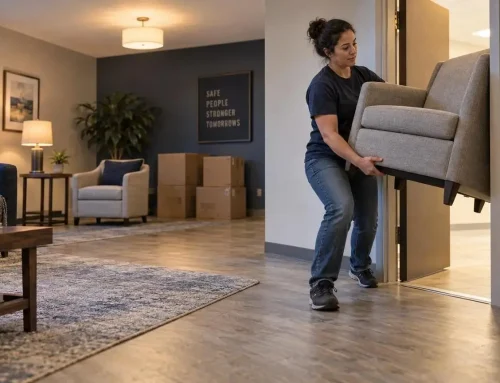
10. Painting (AWARE shelter facilities)

Painting is one of the clearest one-day, project-specific shelter volunteer opportunities with visible environmental impact. AWARE describes volunteers painting shelter bedrooms as part of one-day group service, alongside grounds keeping and planting flowers.
This is a natural fit for corporate teams, school groups, and community partners who want a defined start and finish.
Compared with handyman support, painting is more bounded. That can make it easier to organize. It can also make leaders careless. Fresh paint is not automatically good paint.
If the project touches active living spaces, think through the basics before the group arrives:
- room readiness and furniture movement
- supplies and touch-up plan
- ventilation and drying time
- resident privacy and scheduling
We care a lot about this point because environment work is never just cosmetic. In our own shelter projects, the visible steps are often cleaning, painting, making beds, hanging curtains, and pulling the room together so it finally feels cared for. Those are simple tasks on paper. In a shelter bedroom, they carry more weight.
11. ShelterTech Product and Technology Support (San Francisco)
This example stretches the category in a useful way. Skilled volunteer opportunities in the shelter and housing sector are not limited to on-site service.
ShelterTech offers product and technology volunteer roles for product managers, designers, data specialists, researchers, and software developers. That makes it a strong fit for digital professionals who want mission-aligned work without serving in a traditional shelter building.
This kind of volunteering is more systems-focused than communications or facilities work. It may involve platform support, service design, research, data workflows, or product thinking.
A few conditions make these roles work better:
- clear role scoping
- a staff counterpart with decision authority
- realistic timelines for review and implementation
Tech volunteers can do meaningful work remotely. They can also disappear into abstraction if the nonprofit is not ready to manage the project. That’s the catch. Highly skilled help still needs a real owner on the nonprofit side.
12. Specialty Programming Provider at Raphael House
This is one of the more flexible models on the list. Raphael House lists Specialty Programming Provider for volunteers who bring specialized and professionally licensed skills such as massage therapy, yoga, ESL, culinary skills, arts, and dance.
What makes this opportunity useful is the structure. It creates room for multiple disciplines under one volunteer pathway instead of forcing every specialty into a separate role.
This model works best when the shelter knows three things:
- who the programming is for
- how often it will happen
- what staff support is available
Compared with the more narrowly defined roles earlier in the list, this one is broader by design. That can be a strength. It can also get fuzzy fast if the shelter says yes to every idea without checking space, supervision, and resident fit.
Still, it’s a strong reminder that nonprofit volunteer expertise can be creative, educational, licensed, and programmatic, not just operational.
How to Match the Right Expertise to the Right Shelter Need
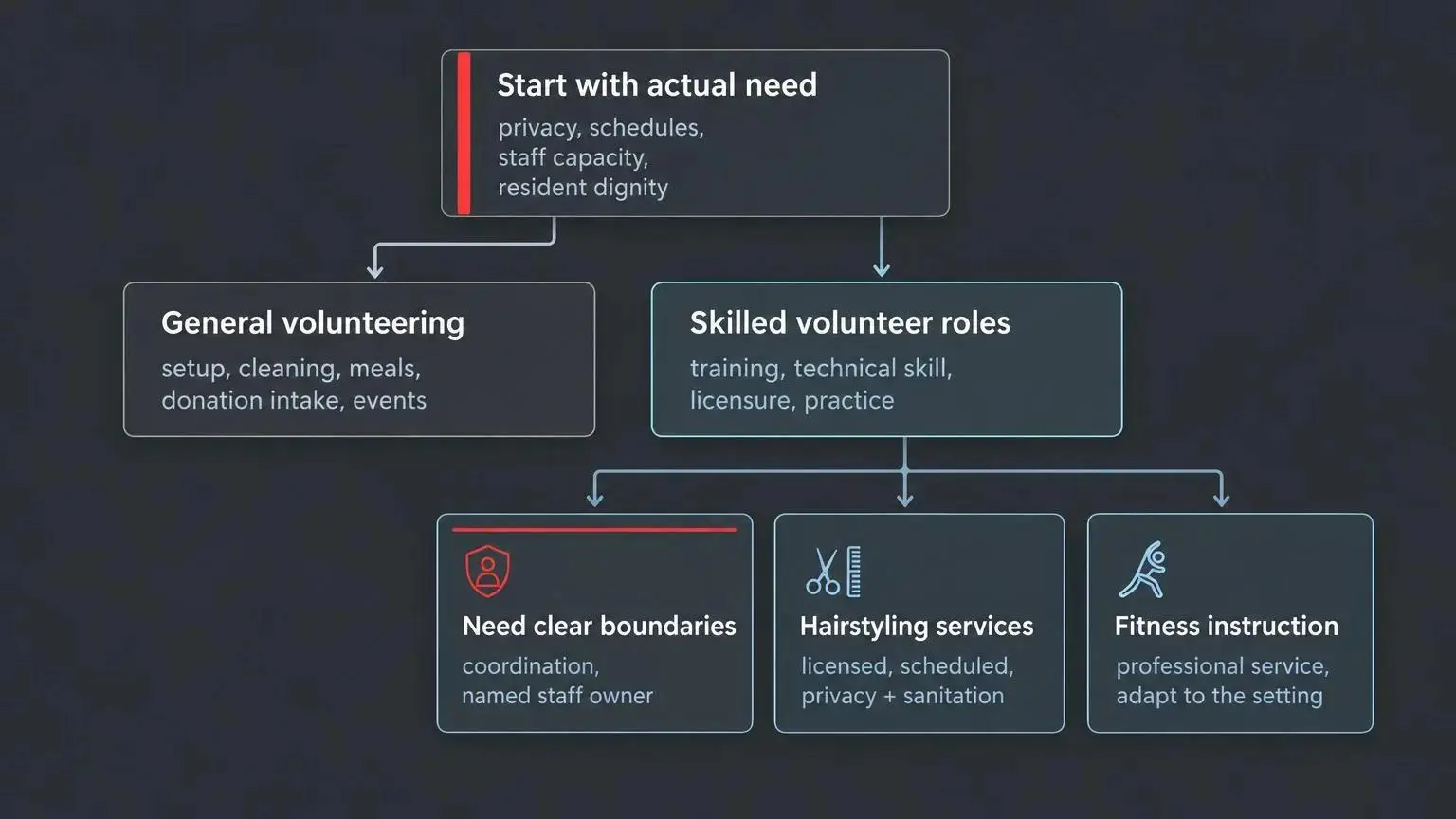
Before recruiting anyone, sort your opportunities into four buckets:
- resident-facing services
- operations and fundraising
- facilities and environment
- technology or communications
Then decide whether the need is a one-time project, recurring support, or a referral-based role. That one call saves a lot of confusion later.
We’d also urge shelter leaders to clarify five things early: credentials, training, privacy expectations, supervision, and staff ownership. If those are vague, even strong professional volunteers for nonprofits will struggle.
Training can be a meaningful capacity constraint for resident-facing roles. The selected survivor-service programs publish onboarding requirements of 20 to 40 hours for particular volunteer roles; these are role-specific requirements, not a universal industry threshold.
Four survivor-service volunteer programs list 20 to 40 hours of training or advocacy preparation for specified roles.
| Program | Training hours |
|---|---|
| Raphael House | 40 |
| The People Concern | 40 |
| AWARE | 40 |
| Helpmate | 20 |
Sources
Raphael House, The People Concern, Helpmate Domestic Violence Services, and AWARE.
- These are published requirements for selected programs and roles, not a representative national benchmark.
- Training scope and format differ: Helpmate specifies classroom hours, AWARE specifies hybrid training, and the other programs describe domestic-violence advocacy training.
That changes the matching conversation. A shelter should be candid about the commitment before recruiting, and a volunteer should confirm whether they can complete training and sustain the role after it.
Environment work needs extra care. Bedrooms, intake rooms, children’s spaces, and common areas affect how people feel in the building every day. Our Trauma-Informed Design approach looks closely at light, sound, color, layout, and privacy because those choices influence stress, comfort, and dignity. A volunteer paint day can help. A room may also need a fuller plan.
In practice, some projects fit room-level work. Others need broader changes across shared spaces or full facilities. That’s the difference between a focused Room Makeover and a larger renovation effort. And yes, many environment projects combine more than one kind of support: planning, painting, cleaning, bedding setup, curtains, furniture placement, donated decor, all of it.
The best skilled volunteer opportunities are not the ones that sound impressive in a meeting. They are the ones your shelter can actually absorb well.
Conclusion
Skilled volunteer opportunities for shelter nonprofits cover more ground than most people expect. They can include hairstyling, fitness, legal help, computer training, budgeting, fundraising, communications, maintenance, painting, technology, and specialty programming.
The pattern underneath all of them is simple. Skills based volunteering for nonprofits works when the expertise matches a defined need. Not when it’s offered in the abstract.
If you’re a volunteer, start with an honest audit of what you do well and what kind of setting you can serve well. If you’re a shelter leader, start with the needs that create the most daily friction for residents or staff.
And if the need sits in bedrooms or shared shelter spaces, pause before you recruit a crew and buy paint. Decide whether you need volunteer labor alone, or a more structured trauma-informed design plan to guide the work. That choice changes everything that follows.