Shelter garden ideas can go sideways fast when the plan starts with pretty plants instead of how families will actually use the space. You need clear boundaries, places for kids to move, and somewhere a resident can sit without feeling exposed.
Start with what your site can keep up with. A neglected planter by the back door helps nobody; a few sturdy zones can do far more.
Make outside feel like a place people can breathe.
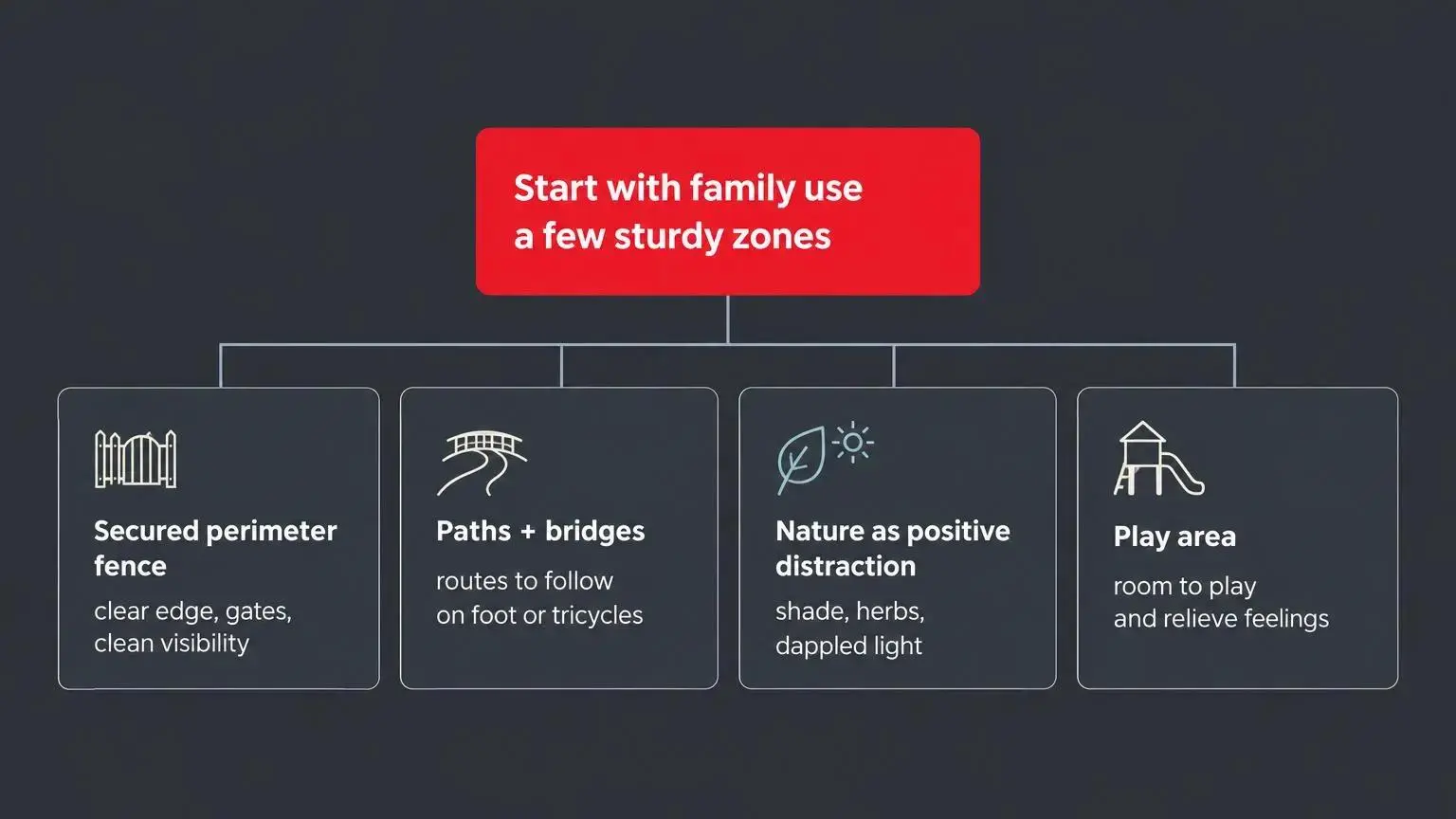
1. Secured perimeter fence for Haven’s shelter outdoor areas
A lot of shelter leaders start in the same place: “Can we even let people use this outdoor area safely?” That’s the right first question. Before flowers, benches, or raised beds, you need a boundary people can understand and trust.
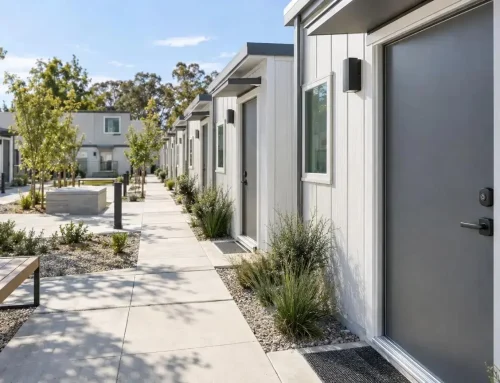
One shelter example places the outdoor area right alongside family suites and shared living spaces, with a pet area, playground, and secured perimeter fence. That matters because it treats the yard as part of daily life, not a bonus space nobody quite knows how to use.
A secure edge helps with more than access control:
- staff can supervise play without chasing sightlines across an undefined lot
- children know where the space begins and ends
- residents don’t have to guess whether they’re exposed
- entry points become clearer, which lowers friction fast
We’ve seen this over and over. A yard without clear boundaries often stays empty, even when it looks nice on paper.
If you’re building a calming outdoor space shelter strategy, start with order. A fence, good gates, and clean visibility can make the whole site feel more settled. Decorative upgrades can come later. First, make the space usable.
2. Child-oriented paths and bridges in the Ringsted Crisis Shelter garden, Denmark
Children don’t need a giant playground to use a garden well. Often they need movement, repetition, and one simple thing to do with their bodies.
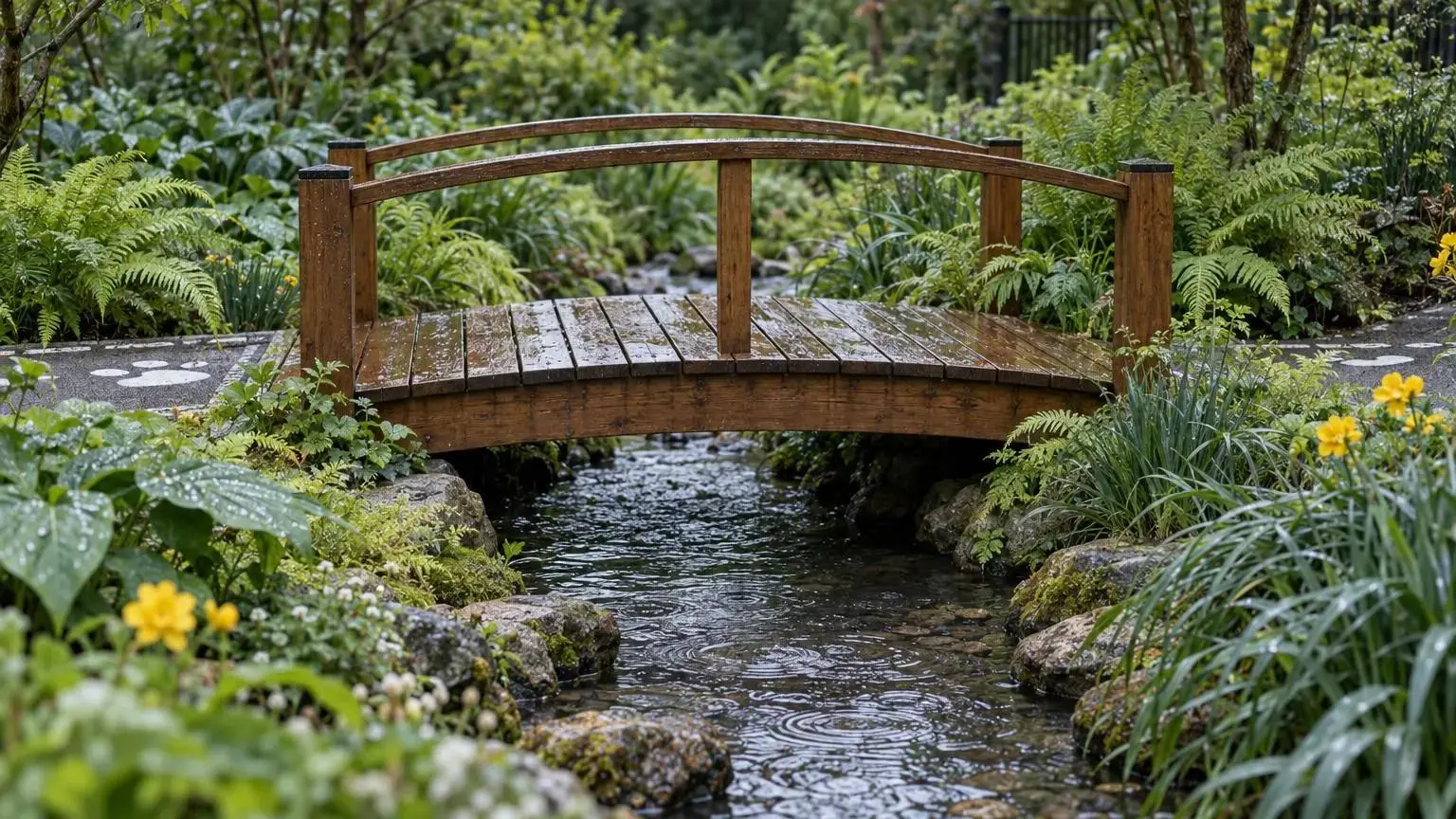
In the Ringsted shelter garden, three small bridges cross a stream, and marked paths give children routes to follow on foot or with tricycles and moon cars. It’s a smart move. The circulation becomes the play.
That changes the feel of the site. Instead of one loud activity pocket, the whole garden starts to work a little harder.
For family sites, this is one of the better courtyard ideas for shelters because it can fit into narrow footprints or awkward side yards. A looping route, a bridge, and visual markers can make a modest garden feel active without crowding it with equipment.
A static playground asks kids to stay in one spot. Paths let them explore, pause, circle back, and burn off energy without the space feeling chaotic.
3. Nature-based positive distractions in crisis-shelter outdoor environments in Denmark
Some of the best shelter garden ideas aren’t really “features” at all. They’re conditions. Shade. Leaves moving a little. A place to sit where your eyes don’t land on cinder block and parking lot.
Research on three Danish crisis shelters identified being outside and the positive distractions of nature as a useful design category. We like that phrase because it’s plain. The environment gives the mind somewhere softer to go.
Positive distraction can come from:
- planting that changes through the seasons
- natural textures underfoot
- edible herbs or berries
- moving water, if maintenance allows
- dappled light instead of glare
- a quieter patch of sky
This is the broader lens behind outdoor healing spaces. Not every shelter needs a programmed garden with ten different elements. Sometimes the right move is reducing noise, visual clutter, and hard edges so the outdoors feels easier to be in.
Calm is not empty. Calm is edited.
4. Children’s play area in Danish crisis shelters
The same Danish research also pointed to something shelter teams already know in their bones: children need room to play and relieve feelings.
That’s not a luxury item. In many shelters, kids are carrying stress in small bodies with very few outlets.
A child-aware healing garden for shelters doesn’t need to be loud or expensive. It does need to admit that adults and children are using the same site for different reasons. If you design only for seated adults, children will still move. They’ll just do it in spaces that weren’t meant for them.
A stronger approach is to plan for both:
- open play space for loose movement
- simple paths or nature play
- quiet seating set apart from motion and noise
- visible supervision without putting every child in the middle of the yard
One practical note: keep claims modest and the design grounded. Play areas support shelter function. They give children routine and release. That’s enough reason to do them well.
5. Separate Social and Private Garden Spaces
Not everybody wants community on demand. In shelters especially, one resident may want conversation while another wants ten quiet minutes with nobody looking at her.
Post-occupancy work on a crisis shelter garden identified social and private spheres as a real design theme, and frankly, that tracks with what we see indoors too. Choice matters.
You can create this split without a giant site plan:
Ways to divide the garden gently
- benches near the main path for casual contact
- one or two tucked seating spots with partial screening
- planting edges that soften sightlines
- active zones set away from retreat zones
- shade structures or planters that create corners without closing things off
A single open courtyard often looks efficient, but it can feel exposed. Separate social and private garden spaces give residents more control over how much they engage.
Dignity often looks like options.
6. Sensory Garden With Fragrant Plants and Textures — Randers Crisis Shelter, Denmark
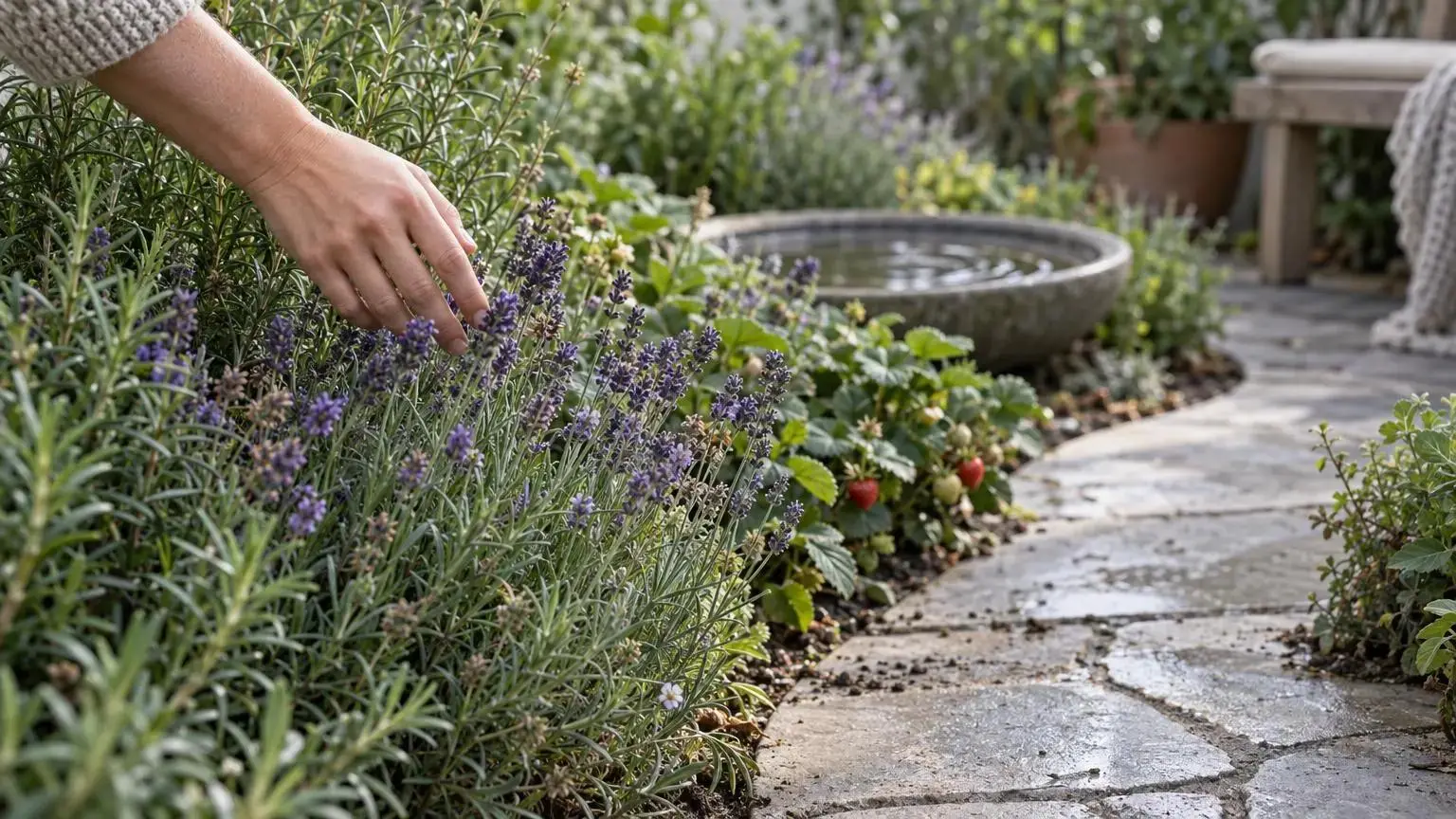
The Randers patio is a strong example of a sensory inspired garden done with some restraint. It uses fragrances from flowers and herbs, rippling water, berries and fruits, tactile surfaces, and greenery to create a richer outdoor experience.
The reason this works is that it isn’t only visual. Residents can smell, hear, touch, and notice things at their own pace.
That said, sensory design can go wrong when every corner is trying too hard. A healing garden for shelters should feel layered, not busy. Break the experience into zones:
- a fragrant planting edge near seating
- one sound source, not several
- a tactile path or touch-friendly planter
- edible planting where supervision and care are realistic
- calmer corners with less stimulation
We’ve learned to be careful here. More sensory input is not automatically better. Gentle is better.
7. Maintenance-aware garden planning for crisis shelters
This is where good intentions usually collide with real operations. A garden can help, but a neglected garden can quietly send the opposite message.
Post-occupancy evaluation of one crisis shelter garden flagged maintenance as a design issue, and the redesign improved maintenance policy, use policy, and user information. That’s not glamorous. It’s also exactly the work that keeps a garden from becoming one more burden.
Before you approve any concept, ask:
- Who waters, trims, cleans, and repairs it?
- What happens in winter, drought, or staff turnover?
- Do residents know what spaces are shared, private, or staff-managed?
- Will this still look cared for if upkeep is imperfect for a few weeks?
This is also where our Trauma-Informed Design approach matters. When outdoor work is part of a bigger shelter improvement, layout, materials, supervision, and daily routines need to be thought through together. In larger projects, our Full Shelter Renovations work can include gardens and shared outdoor areas as part of that bigger picture.
8. Edible courtyard garden for a human-trafficking survivor shelter
One proposed survivor residence centered its design on an open courtyard where residents could grow fruits and vegetables and build cooking skills. We like this idea because it widens the purpose of the garden.
Not every outdoor space has to be only for rest. Some can support routine, participation, and daily life.
For longer-stay programs, edible planting can make sense in:
- raised beds along the courtyard edge
- a few manageable planters near a common kitchen
- one shared growing zone instead of scattered beds everywhere
The tradeoff is obvious. Edible gardens ask more from staff and from the site. You need a plan for harvesting, watering, and who actually uses the produce. But for the right setting, this is one of the more useful courtyard ideas for shelters because it combines calm with purpose.
9. Hammock area at Randers Crisis Shelter patio, Denmark
Sometimes one well-placed element changes the whole mood of a space. The hammock in the Randers patio is a good example.
It creates a very specific kind of retreat: low effort, low stimulation, and just enclosed enough to feel separate from the rest of the yard.
A bench says “sit here.” A hammock says “you can stop.”
This only works if the basics are already in place. The site should be secure, reasonably supervised, and have an accessible alternative nearby for residents who can’t or won’t use a hammock. Placement matters too. It shouldn’t be hidden, but it also shouldn’t be in the middle of circulation.
Small capital project. Big signal of care.
10. Meditation courtyard with natural light at a family-support campus
Some shelters don’t have much yard to work with. Others have enclosed building areas that never quite found a purpose. That’s where a light-filled courtyard can be a smart move.
At one family-support campus, part of the roof was removed to create a central courtyard with a meditative feel for individuals and small groups. The idea is practical. Bring daylight, air, and a quieter rhythm into the middle of the building.
Compared with a standard interior common area, this kind of courtyard changes the experience of pause. It gives residents outdoor access without asking them to enter a large public yard.
If your building is tight, don’t assume outdoor healing spaces must sit at the edge of the property. Sometimes the answer is in the middle.
11. Multi-area garden for rest and active family use
A compact site doesn’t need to do one thing only. The Randers patio is just 225 square meters, yet it was divided into smaller areas for rest and activity. That’s a useful correction for any team assuming they need a big lawn to make a garden matter.
Zone-making can happen with pretty modest moves:
- planters that create edges
- a change in paving
- one shaded seating cluster
- a child activity strip
- a quieter corner for conversation or pause
This matters in urban shelters and retrofits where every foot counts. One-zone layouts usually serve the loudest activity first. Smaller zones let different users coexist without feeling piled on top of each other.
A small space can still feel generous if it gives people choices.
12. Resident-Led Garden Design for Crisis Shelters
Some of the best design decisions come from finally asking the people using the space what isn’t working.
Participatory design in a crisis shelter garden helped shape changes meant to improve safety, positive distraction, and activity variety. That doesn’t surprise us. Residents and staff usually know which bench feels too exposed, which path gets ignored, and where children naturally gather by the second afternoon.
You don’t need a formal research process to listen better. Try:
- walk-throughs with staff and residents
- simple boards showing options for seating, planting, or play
- short feedback after early improvements
- notes on where people avoid sitting or linger longer
This fits how we work. Our trauma informed design philosophy starts with safety, dignity, connection, and real use patterns. Design works better when it responds to lived routines, not just a plan set.
13. Site-appropriate low-care plant palette
A garden can’t depend on perfect upkeep. Most shelters don’t have a full-time horticulture team, and pretending otherwise is how good projects slide into decline.
Low-care planting starts with fit. Plants should match local climate, soil, water conditions, and the actual level of care the site can support. Hardy choices usually age better than trend plants that look great for six weeks and then struggle.
Keep your plant palette honest:
- choose resilient plants over finicky ones
- limit varieties if volunteer care will rotate
- avoid anything that needs constant pruning to look decent
- think about seasonal gaps before they become bare patches
This is one of the most practical shelter garden ideas on the list. Beauty matters. So does survivability.
How to Choose the Right Shelter Garden Ideas for Your Site
Start with five filters: security needs, resident mix, square footage, staffing capacity, and building layout. If you skip those, even a thoughtful concept can turn into friction.
The sequence usually goes like this:
A simple design sequence
- Usability
make the space usable
- Calm
make it calming
- Layers
add layered features
Different settings need different priorities. Domestic violence and crisis shelters may start with boundary, privacy, and controlled visibility. Family shelters often need movement paths and child play earlier. Longer-stay programs may be better candidates for edible planting and resident participation.
And yes, upkeep changes the answer. Fragrant beds, water sounds, and edible gardens can enrich a healing garden for shelters, but only if maintenance is real from day one. Outdoor trauma informed design should feel connected to the whole resident journey, from intake to bedroom to shared spaces to the outdoors. Not like a detached beautification project in the back.
If the garden is part of a larger redesign, coordinated planning helps. Indoor and outdoor environments should support the same message.
| Site or program condition | Prioritize first | Good candidates next | Key caution |
|---|---|---|---|
| Domestic violence or crisis shelter | Boundary, privacy, and controlled visibility | Secure edge, clear entry points, gently separated social and private seating | Do not start with decorative upgrades before the space feels usable and safe |
| Family shelter | Movement paths and child play early in the plan | Looping routes, bridges, open play space, and visible supervision with quiet seating set apart | Do not add play without buffering nearby quiet areas |
| Longer-stay program | Participation, routine, and manageable edible planting | Raised beds, planters near a common kitchen, or one shared growing zone | Edible gardens need a real plan for harvesting, watering, and who uses the produce |
| Small or tight-footprint site | Useful zoning over one big lawn | Smaller areas for rest and activity, or a light-filled courtyard inside the building footprint | Do not treat a small site as too limited to support different user needs |
| Garden tied to a larger shelter redesign | Coordinate the outdoor plan with intake, bedrooms, shared spaces, supervision, and daily routines | A connected indoor-outdoor layout that supports the same trauma-informed message across the resident journey | Do not treat the garden as a detached beautification project in the back |
What the Evidence Base Can—and Can’t Tell You
The case for making shelter outdoor space more usable is strong, but the direct research base is still small. A 2026 scoping review of nature exposure and engagement among intimate-partner-violence survivors and their children found seven studies that met its criteria. A separate 2026 review of architectural environments and women’s sense of safety in domestic-violence shelters included 20 studies.
Those counts are not a ranking of garden features or proof that one addition will work everywhere. The reviews used different inclusion criteria, and the safety review describes the evidence as methodologically heterogeneous and mostly qualitative. Still, the numbers support a practical stance: treat a garden as something to test with residents and staff, then adjust based on use—not as a finished formula copied from another site.
For a closer look at the limits and emerging themes in this research, read the nature-exposure review and the shelter-safety review.
Common Mistakes to Avoid in Outdoor Trauma Informed Design
Most mistakes come from treating the garden like a decoration project instead of part of care.
Watch for these:
- one open communal space with nowhere private to retreat
- play added without buffering nearby quiet areas
- plants and features chosen for first-day appearance, not long-term condition
- a small site treated as too limited, instead of broken into useful zones
- too much stimulation packed into one space
- no resident or staff input before design decisions are made
- outdoor plans that ignore how people move from bedrooms and common areas into the yard
Here’s the hard truth: a broken fountain, dead planting, or exposed seating nook can feel worse than no feature at all. Residents notice when a space was meant to help but wasn’t set up to last.
Conclusion
The best shelter garden ideas aren’t the flashiest. They’re the ones that make outdoor space feel usable, respectful, and flexible for real people with different needs.
A healing garden for shelters can start small. A secure boundary. A quieter seating corner. A low-care planting plan that still feels welcoming. Then you learn from use and build from there.
Walk your outdoor area with fresh eyes. Ask what would help someone feel safer, less overwhelmed, and more cared for the moment they step outside.
And if you’re ready to connect the outdoors with resident rooms, shared spaces, and the broader shelter experience, our trauma informed design approach and full shelter renovations can help you think through the whole environment as one act of care.