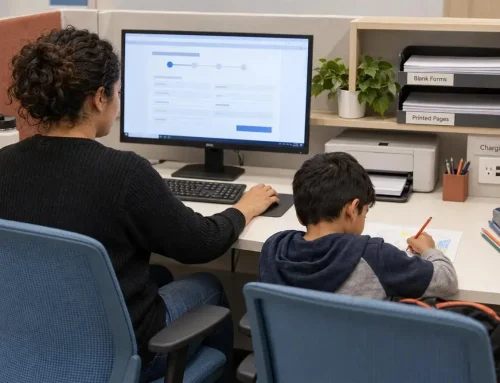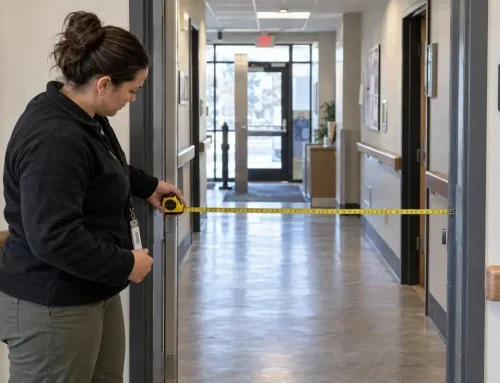
Product donations for nonprofits can change a shelter room—or turn into a storage problem fast. A free couch that cannot be cleaned, a pile of mismatched decor, or beds that do not fit the room can create more work for staff and less calm for residents.
What matters is not getting more stuff. It is choosing items that support safety, privacy, rest, and dignity for women, children, and families rebuilding after crisis.
Start by checking:
- Room dimensions, cleaning needs, and delivery access
- Whether each item reduces clutter or adds it
- Who will install, repair, and maintain it
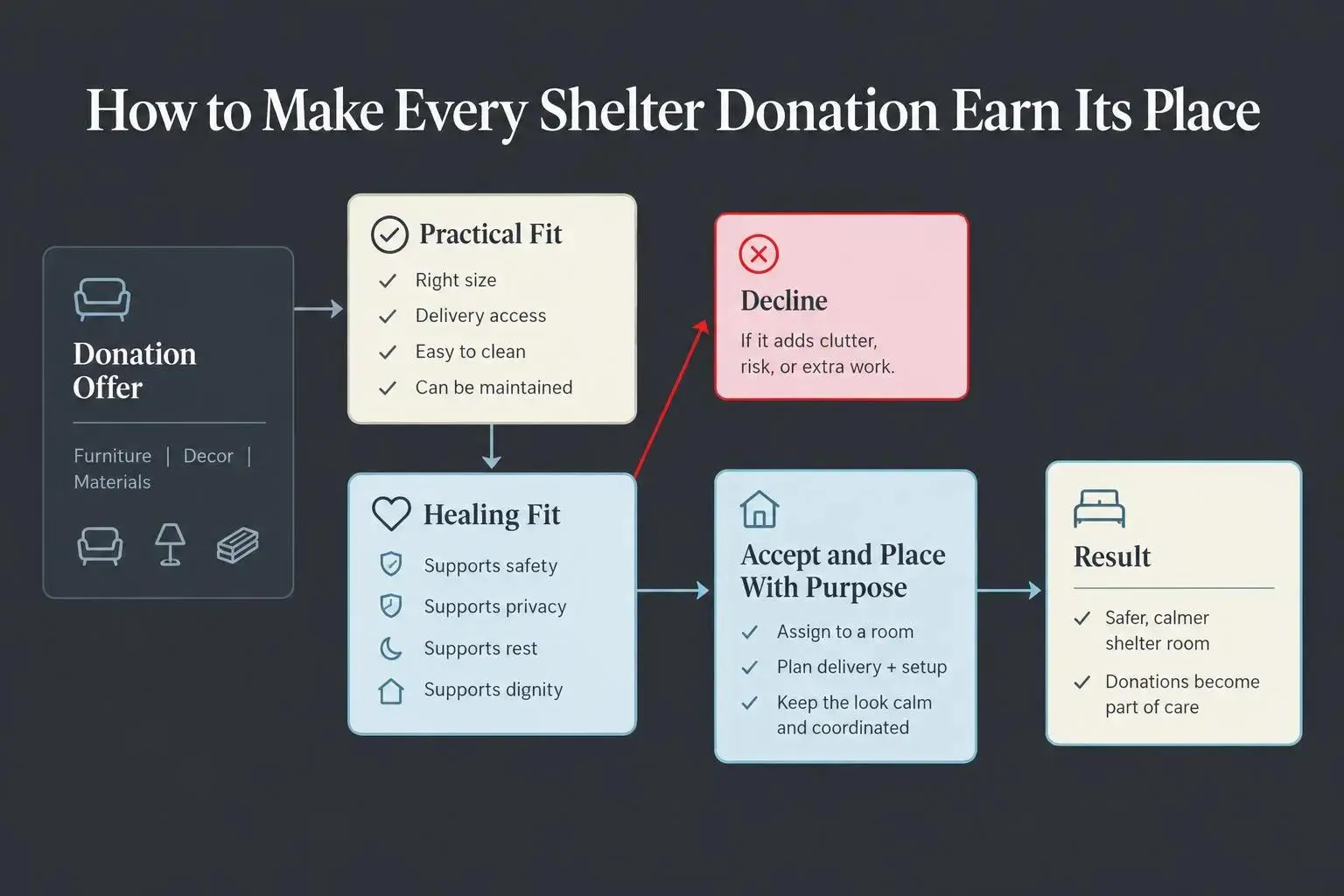
Make every donation earn its place.

Why Shelter Makeovers Need More Than More Stuff
A shelter room isn’t just where someone sleeps. It’s part of the care they receive.
We see this get missed all the time. A room can meet the basic checklist and still feel hard to be in. Metal bed frame. Bright overhead light. One plastic drawer unit. Mismatched leftovers. Nothing technically wrong, but your body knows the difference. Especially when you’ve already been living on alert.
Institutional, sparse, or visually chaotic rooms can make residents feel temporary, watched, or forgotten. Harsh lighting raises the temperature of a room emotionally. So does clutter. So does nowhere to put your own things. Privacy matters too. If every surface is exposed and every seat faces the door, people don’t settle.
The point of healing shelter makeovers isn’t luxury. It’s regulation.
Thoughtful product donations for nonprofits can support steadiness in very practical ways:
- a lamp instead of only overhead light
- a nightstand so medications, water, and a phone have a place
- curtains or layout choices that soften exposure
- storage that keeps a family’s belongings off the floor
- bedding and textures that feel cared for, not leftover
- seating that allows conversation without making the room feel like a waiting area
In trauma-informed design, the environment is not decoration after the real work. It is part of the work. Color, lighting, softness, layout, and privacy all affect whether a nervous system stays braced or starts to come down.
That’s how we approach it at A Lotta Love. We don’t start with “what can we get donated?” We start with “what does this room need to feel safer, calmer, and more dignified for the people using it?”
What Counts as Product Donations for Nonprofits in a Shelter Setting
When people hear product donations for nonprofits, they often think of a company dropping off a truckload of furniture. Sometimes that’s true. Often it’s messier and more useful than that.
In a shelter setting, product donations can include direct goods, manufacturer overstock, discontinued lines, store returns in excellent condition, gift cards, reused materials, and in kind donations tied to volunteer labor or renovation support. One donor may have beds. Another may have paint, lighting, or flooring. Another may say, “We can fund the missing pieces if you choose them.”
That mix matters.
Some of the highest-value categories tend to be:
- Sleep essentials like beds, mattresses, bedding, pillows, and nightstands
- Durable seating for bedrooms, lounges, counseling rooms, and intake spaces
- Storage pieces such as dressers, bins, shelving, and closet systems
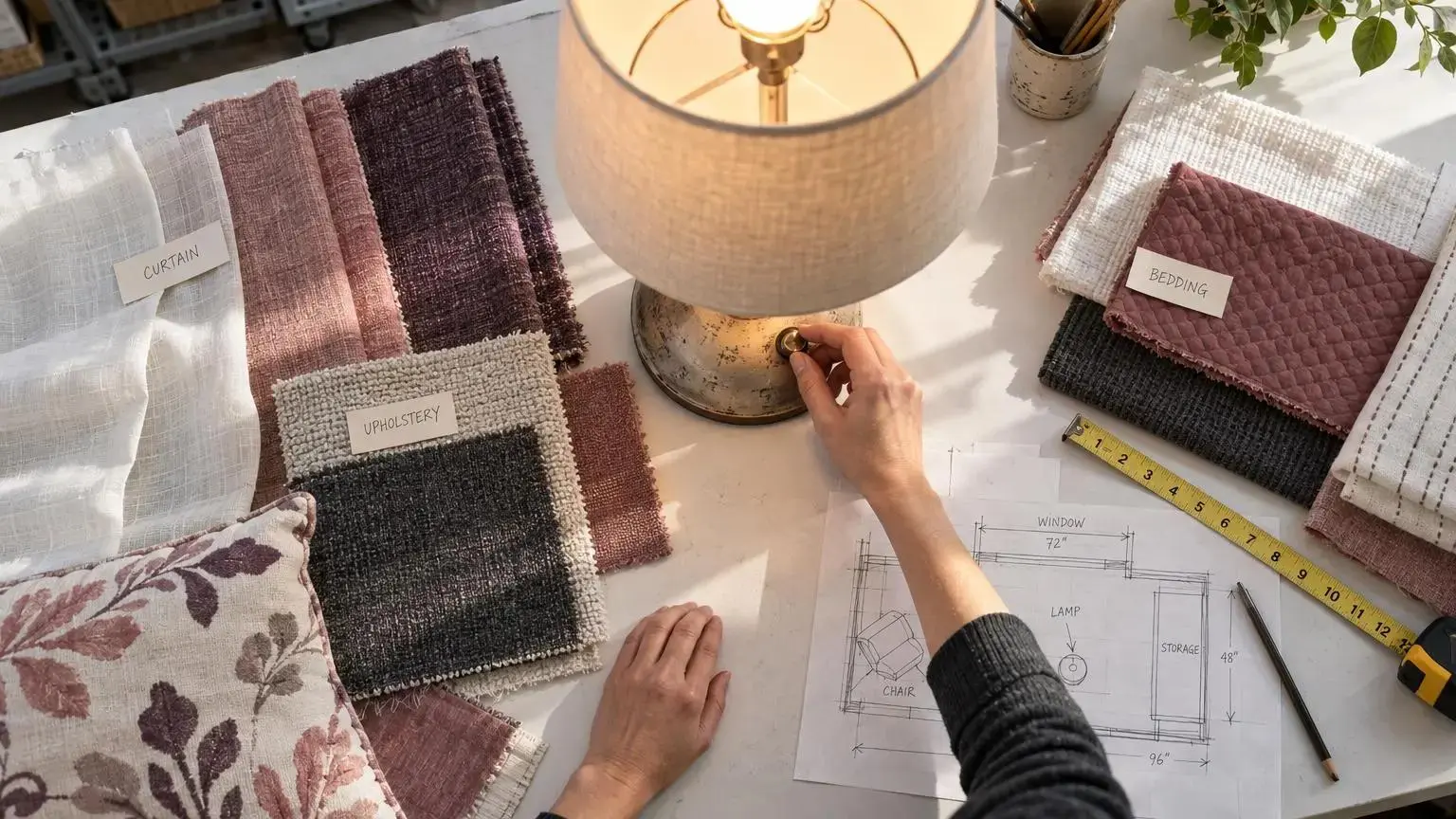
- Soft furnishings including rugs, curtains, lamps, and wall art
- Children’s room items like desks, toys, play furniture, and calming decor
- Outdoor furniture for dining or garden areas when those spaces are active
- Renovation materials such as appliances, lighting, flooring, and paint
There’s also an important difference between basic-needs donations and environment-shaping donations. Diapers, toiletries, and food are urgent and essential. They keep a shelter functioning day to day. But the items that change how a room feels are different. Those are the pieces that move a space from usable to humane.
Donated furniture and decor for shelters should be judged by more than whether it’s free or available. It needs to support safety, cleanliness, durability, and calm. A donation isn’t automatically a fit just because it arrived.
Start With a Trauma-Informed Needs Assessment, Not a Wish List
If you’re trying to source donated items for shelters, don’t begin with a broad ask. Begin with the room.
We always want teams to slow down here, because a wish list built from memory usually leaves out the things that cause trouble later. Start with a needs assessment that looks at who uses the space and how it actually functions.
Assess these before you request anything:
- who uses the room, including women, children, families, staff, or intake visitors
- length of stay and turnover patterns
- the room’s job: sleep, play, counseling, waiting, dining, or staff decompression
- sensory triggers like glare, echo, clutter, hard surfaces, or noise spill
- safety concerns such as unstable furniture, cords, breakables, blind spots, or hard-to-clean upholstery
- storage limits and what your team can realistically maintain
A donated couch is a good example. It may look generous in a photo and still fail in real life. If it’s oversized, impossible to sanitize, covered in a loud pattern, or blocks circulation, it adds work and stress instead of relief. Free can get expensive fast.
Space deserves to be treated as a resident-experience measure, not just a delivery constraint. In a 2024 study of 413 female caregivers living in informal tiny homes, average health-related quality of life was 0.882, compared with 0.919 in the general population; homes smaller than 13 square meters were also associated with greater likelihood of anxiety and depression. This was not a shelter study, and it cannot show that a particular furniture donation causes those outcomes. But it is a useful warning against filling every open spot: record room dimensions and preserve usable circulation before accepting bulky pieces.
A room-by-room needs map helps. Separate must-haves from nice-to-haves. Also name what should never be accepted. That last part saves a lot of awkward backtracking.
Our Trauma-Informed Design work uses light, sound, color, layout, privacy, and emotional tone as the lens before any item comes in. That order matters. If you skip it, you end up designing around donations instead of around people.
Build a Shelter Item Donation Strategy Before You Ask
A shelter item donation strategy is just a plan. Not a fancy one. A real one.
It should spell out what you’re requesting, from whom, in what condition, on what timeline, and for which spaces. Without that, even generous donors can flood you with things you can’t use well.
We recommend category-based asks instead of one giant list. Break requests into clear needs such as:
- children’s bedrooms
- family shelter bedrooms
- common lounge refresh
- intake and reception comfort upgrades
- therapy or counseling rooms
- outdoor healing spaces
Specific requests get better results. “We need 10 matching twin nightstands in easy-clean finishes” gives a donor something they can act on. “We need bedroom furniture” usually brings randomness.
Your written ask should include:
- quantity
- dimensions
- preferred materials
- color direction
- durability needs
- condition standards
Then cover the operational side that people forget until the hallway fills up:
- who approves donated items
- whether photos must be reviewed first
- whether pickup is available
- where overflow will be stored
- how tax acknowledgments are handled
A strong shelter item donation strategy helps you avoid rooms that feel crowded, disconnected, or accidental. It also helps donors help you. Most companies and community partners don’t need less direction. They need more.
And build a hybrid plan from the start. Product donations rarely cover delivery, cleaning, hardware, assembly, missing screws, rug pads, or the one lamp shade that arrives cracked. Somebody has to solve those gaps.
Where to Source Donated Items for Shelters
The best way to source donated items for shelters is to match each donor’s inventory strengths with a clearly defined makeover outcome.
That’s the whole game.
Different channels tend to solve different problems:
Best-fit sourcing channels
- National retailers and manufacturers often have scale. Beds, dressers, seating, textiles, decor.
- Local furniture stores and design showrooms can be strong for floor models, discontinued pieces, and room-specific support.
- Bedding and mattress companies are an obvious fit for bedroom work, especially when sleep quality is a core concern.
- Building supply reuse organizations can stretch budgets with good materials and furniture that still have years left in them.
- Corporate philanthropy teams may combine products, funding, and staff volunteers.
- Volunteer groups tied to home improvement brands can help when installation matters as much as the items.
- Community drives work best when they’re narrow, like children’s desks or twin bedding, not “anything for the shelter.”
We’ve seen the range. Some partnerships have supplied 16 twin bed sets and nightstands after a children’s facility refresh. Some have furnished therapy rooms, lounges, and staff offices across 829 square feet using grant-backed reused goods, reaching 48 survivors, including 14 children. Some outdoor donations have totaled 54 pieces valued at $53,000 for meditation and dining areas. Others mix products, financial support, and employee volunteering to furnish transitional shelter homes.
That’s why generic outreach falls flat. A mattress company shouldn’t get the same ask as a reuse warehouse or a local showroom.
Try framing opportunities around outcomes donors can understand:
- sleep and stability
- family dignity
- child-friendly recovery spaces
- staff wellness
- sustainability through reuse
That’s cleaner than asking for “support.”
| Donor channel | What they contributed | Best shelter use | Why this channel fits |
|---|---|---|---|
| National retailers and manufacturers | 16 twin bed sets, nightstands, and 10 dressers | Completing children's bedrooms after a shelter renovation | Best when you need coordinated bedroom furniture at scale |
| Bedding and mattress companies | Financial support, sleep products, and 30 volunteers | Furnishing a new transitional shelter home, including private bedrooms and common areas | Best when sleep quality and bedroom setup are the core outcomes |
| Building supply reuse organizations | Grant-backed reused building materials and home goods for therapy, lounge, and office spaces | 829 square feet across a therapy room, multipurpose lounge, and staff office serving 48 survivors including 14 children | Strong for shared-space upgrades and sustainability through reuse |
| Corporate philanthropy teams | Gift cards for tenants plus furnishings for model units | Supporting people exiting homelessness in apartment communities | Useful when you need a mix of products and buyer flexibility |
| Volunteer groups tied to home improvement brands | USD 20000 in funding and more than 150 volunteers | Landscaping plus an extreme makeover of two community rooms and a computer room | Best when installation and hands-on renovation matter as much as the items |
Cash, Gift Cards, or Goods: Choosing the Right Type of Support
In kind donations for shelter makeovers are not limited to goods dropped at your door. Sometimes the better gift is flexibility.
There are really three support formats, and each solves a different problem.
Direct goods work well when your needs are highly defined and the donor can meet the standards. If you know you need 12 identical bed frames or durable lounge chairs, direct goods can move quickly.
Gift cards or purchasing credits give you more control over timing, quantity, finish, and coordination. They do require staff time, but they prevent the all-too-common problem of accepting what doesn’t fit because it was available.
Cash is the hardest ask for many teams, and often the most useful. It covers the invisible parts: delivery, installers, paint, deep cleaning, small repairs, replacement hardware, storage bins, lamp bulbs. Rooms don’t get finished on furniture alone.
A mixed model is often best. We’ve seen housing-related partnerships use gift cards for residents while also furnishing model units. That’s smart because it supports both setup and emotional transition.
A quick rule of thumb:
- Bedroom refreshes often need flexible purchasing for coordinated storage and textiles.
- Common-area upgrades may benefit from bulk furniture donations plus volunteer setup.
- Full facility work usually needs layered support across goods, labor, and cash.
Say your preference out loud. Shelters get into trouble when they accept the easiest format in the moment instead of the right one for the project.
How to Evaluate In Kind Donations for Shelter Makeovers
Once offers start coming in, you need a filter. Not a vague sense. A filter.
For curating donated goods for shelters, we recommend reviewing every item against the same practical criteria:
- safety
- cleanability
- durability
- emotional tone
- size and fit
- maintenance burden
- privacy support
- child appropriateness, if relevant
Some items should usually be declined:
- heavily worn upholstered furniture
- broken or unstable pieces
- items with strong odors
- surfaces that can’t be cleaned easily
- sharp edges, exposed hardware, or unsafe cords
- loud patterns or decor that feel chaotic, infantilizing, or institutional
Always ask for photos first. Include dimensions, brand details if available, and condition notes. That five-minute review can save three hours of pickup and six months of regret.
This part can feel uncomfortable for teams that are used to saying yes. But a donation can be free and still carry a cost if it makes the room feel neglected or mismatched. Quality standards aren’t picky. They’re protective.
Curating donated goods for shelters means selecting for healing, not collecting inventory.
Turning down the wrong item is responsible stewardship. Residents feel the difference.
How to Curate Donated Furniture and Decor for Shelters So Rooms Feel Calm and Human
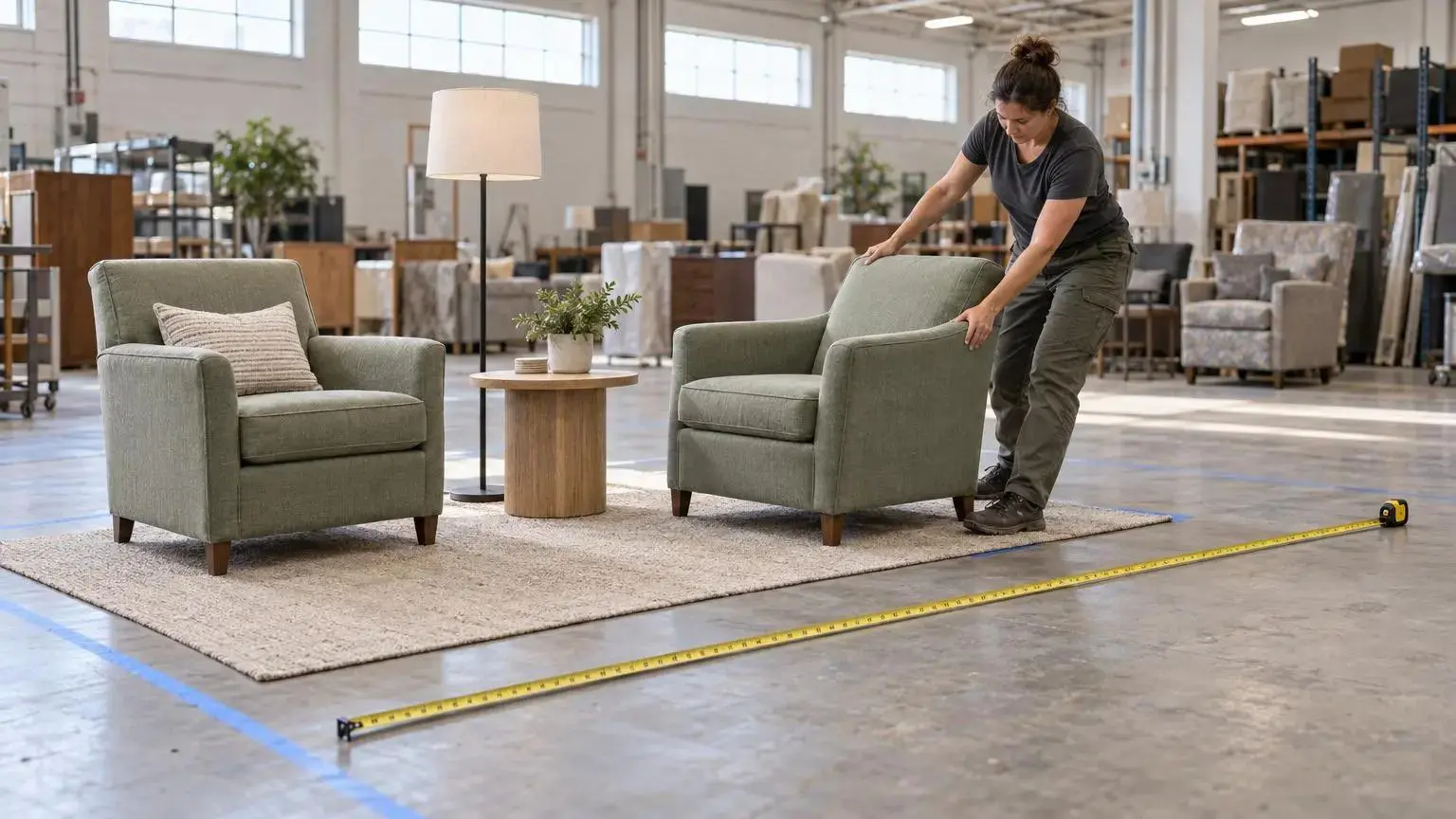
Evaluation tells you what can come in. Curation decides whether the room will actually work.
The goal isn’t to make spaces look styled. The goal is to make them feel settled. That usually comes from restraint, consistency, and clear function.
A few principles help:
- keep the color direction calm and cohesive
- layer softness without adding cleaning headaches
- maintain clear movement paths
- use storage to reduce visual clutter
- create zones for rest, conversation, play, work, or decompression
- use matching or coordinated pieces where possible because dignity often looks like order
Privacy deserves special attention. You can support it with curtains, dividers, bedside surfaces, reading lamps, and furniture placement that gives each person a little territory of their own. In shared shelter rooms, that small sense of control matters more than people expect.
Different spaces need different emotional tones.
Bedrooms need comfort, sleep support, and personal control. Intake spaces need to lower intimidation quickly. Playrooms need order without feeling stiff. Therapy rooms need soft, emotionally neutral seating. Staff rooms matter too. Burnout isn’t only about workload.
Our Room Makeovers are built around this room-level thinking. Not every shelter needs a giant renovation. Sometimes one bedroom, one play space, one intake room is where the change starts.
Turning Donated Items Into a Finished Makeover
A donation program without logistics turns into storage management.
Once your design plan is set, move in sequence:
Makeover workflow
- Plan
finalize the room plan
- Inventory
confirm accepted inventory
- Delivery
schedule delivery windows
- Prep
prepare cleaning and minor repair workflows
- Staging
stage storage by room assignment
- Roles
assign volunteer and staff roles
- Install
install in one managed push if possible
Don’t let donations arrive without a placement plan. That is how good intentions become clutter in an office, a hallway, or a vacant room that staff now have to sort after hours.
Use a simple inventory tracker. It should note donor, item type, room assignment, condition, and acknowledgment status. Nothing fancy. Just enough so you know what came in and where it went.
One person should have final say on curation. Committees are useful early. They are not useful when five people want five different lamps.
For larger projects across common areas, kitchens, outdoor spaces, or multiple rooms, broader coordination matters even more. That’s where our Full Shelter Renovations work can help line up product donations with the bigger facility plan instead of treating each room like a separate problem.
Common Mistakes That Undercut Good Intentions
Most shelter makeover problems don’t come from lack of generosity. They come from drift.
Watch for these:
- accepting everything because saying no feels rude
- treating all donated items as equally helpful
- focusing only on bedrooms while intake areas, staff spaces, and common rooms stay harsh
- building rooms around what was donated instead of resident experience
- forgetting delivery fees, assembly, hardware, rug pads, and bulbs
- using too many colors, patterns, or decor pieces
- ignoring long-term cleaning and maintenance
- skipping donor follow-up that shows actual outcomes
- failing to document before-and-after conditions
Here’s the blunt version: a crowded room full of free items can feel worse than a simpler room with fewer, better choices.
That’s not ingratitude. That’s design discipline.
How to Measure Whether Donated Products Are Actually Helping
Count items if you want, but don’t stop there. The real question is whether the space feels safer, calmer, and easier to use.
Track practical and emotional outcomes together:
- number and type of rooms improved
- residents served by those spaces
- staff feedback on usability and morale
- resident feedback on comfort, dignity, privacy, and safety
- replacement frequency for high-use items
- donor retention and repeat support
Use short surveys, observation, and photos. You don’t need a huge reporting system to learn something useful.
At A Lotta Love, we report a 63 percent increase in feelings of safety associated with our trauma-informed design work. We also state that shelter clients who receive our services show increases in hopefulness, preparedness, and feelings of safety. Those aren’t small outcomes. They tell you the room is doing more than holding furniture.
When you can show that product donations for nonprofits changed daily experience, not just square footage, future fundraising gets easier too.
When to Bring in Design Expertise
Some refreshes can be managed internally. Some shouldn’t be.
You may need outside design support if:
- multiple rooms or shared spaces need coordination
- donations are arriving but the result feels inconsistent or messy
- your residents have high trauma exposure and you want the environment to support healing actively
- staff don’t have the time to assess, curate, and install well
- the project includes flooring, lighting, paint, or layout changes
This is where trauma-informed design expertise earns its keep. Not by making things prettier. By turning generosity into rooms that feel coherent, safe, and restorative.
We support shelters and crisis centers with both focused Room Makeovers and broader environmental change grounded in trauma-informed design. Sometimes the best use of outside help is simply getting the plan right before the first donation is accepted.
Conclusion
Product donations for nonprofits do their best work when they’re guided, not improvised.
The practical path is straightforward: assess the space, define the strategy, source the right partners, evaluate every item carefully, and install with purpose. That’s how donated goods stop being extra stuff and start becoming part of care.
If you’re a shelter leader, donor, or volunteer, start smaller than you think. One bedroom. One intake area. One children’s space. One donation category. Do it in a way that treats every product as part of a safer, more dignified place to heal.